Personalized Learning Pathways: Tech’s Classroom Transformation 2026
Anúncios
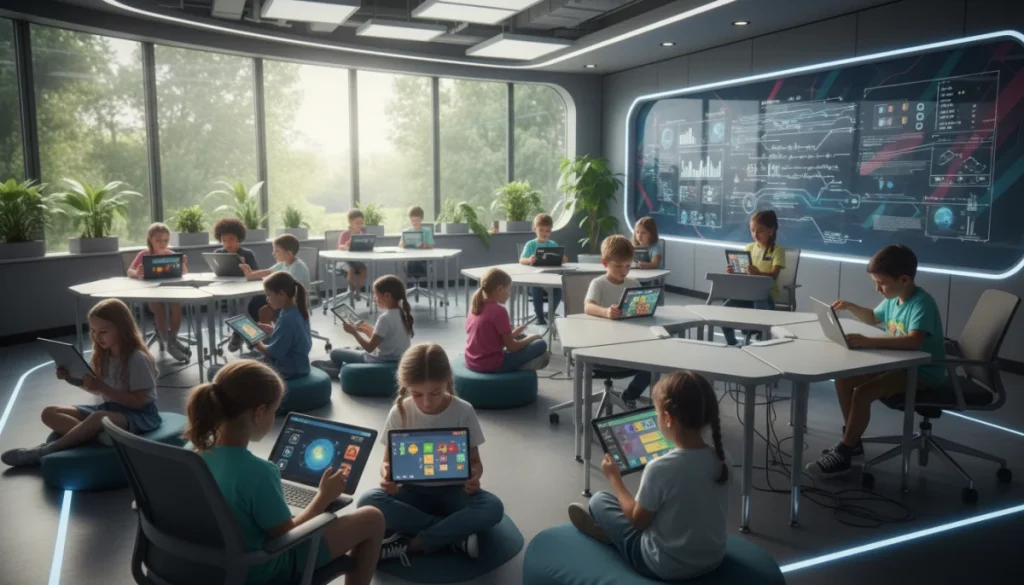
Personalized learning pathways are fundamentally transforming American classrooms by 2026, utilizing advanced technology to customize educational experiences for each student, thereby enhancing engagement and academic achievement.
Anúncios
The landscape of education is shifting dramatically, and by 2026, the concept of a one-size-fits-all classroom will be largely obsolete. At the forefront of this evolution are personalized learning pathways, a revolutionary approach leveraging technology to tailor educational experiences to each student’s unique needs, pace, and interests. This transformation promises a more engaging, effective, and equitable learning environment for students across the United States.
The Dawn of Personalized Learning: A New Educational Paradigm
The traditional model of education, where all students receive the same instruction at the same pace, is increasingly recognized as insufficient for the diverse needs of today’s learners. Personalized learning pathways represent a fundamental shift, moving away from standardized instruction towards an approach that respects individual differences. This paradigm acknowledges that every student brings unique strengths, weaknesses, and learning styles to the classroom.
In this new era, technology acts as the primary enabler, providing tools and platforms that make true personalization feasible on a large scale. Educators are no longer solely lecturers but facilitators, guiding students through bespoke educational journeys. This shift empowers students to take ownership of their learning, fostering critical thinking and self-direction.
Understanding the Core Principles
At its heart, personalized learning is built upon several key principles designed to optimize the educational experience for every individual. These principles guide the integration of technology and pedagogical practices.
- Learner Agency: Students have a voice and choice in what, how, and when they learn, fostering intrinsic motivation.
- Competency-Based Progression: Students advance based on demonstrated mastery of skills and knowledge, not simply on seat time.
- Flexible Learning Environments: Classrooms adapt to support various learning styles, offering diverse resources and collaborative opportunities.
- Data-Driven Insights: Ongoing assessment and data analytics inform instructional decisions and personalize learning paths in real-time.
The implementation of these principles requires a robust technological infrastructure and a commitment from educators to adapt their teaching methodologies. The goal is to create an educational system that is responsive, dynamic, and deeply connected to each student’s potential.
Anúncios
Ultimately, personalized learning pathways aim to cultivate lifelong learners who are well-equipped to navigate a rapidly changing world. By focusing on individual needs and leveraging technological advancements, education becomes a journey of discovery tailored to each unique mind.
Technology as the Catalyst: Tools Shaping 2026 Classrooms
The vision of personalized learning pathways would remain largely theoretical without the rapid advancements in educational technology. By 2026, a suite of sophisticated tools and platforms is transforming classrooms into dynamic, adaptive learning spaces. These technologies are not just supplemental; they are integral to delivering individualized instruction at scale.
From artificial intelligence to virtual reality, these innovations provide educators with unprecedented capabilities to understand student needs and deliver targeted support. The integration of these tools is creating a rich, interactive learning environment that was once unimaginable.
Key Technological Innovations
Several technological advancements are pivotal in enabling personalized learning pathways. Each plays a distinct role in shaping the educational experience.
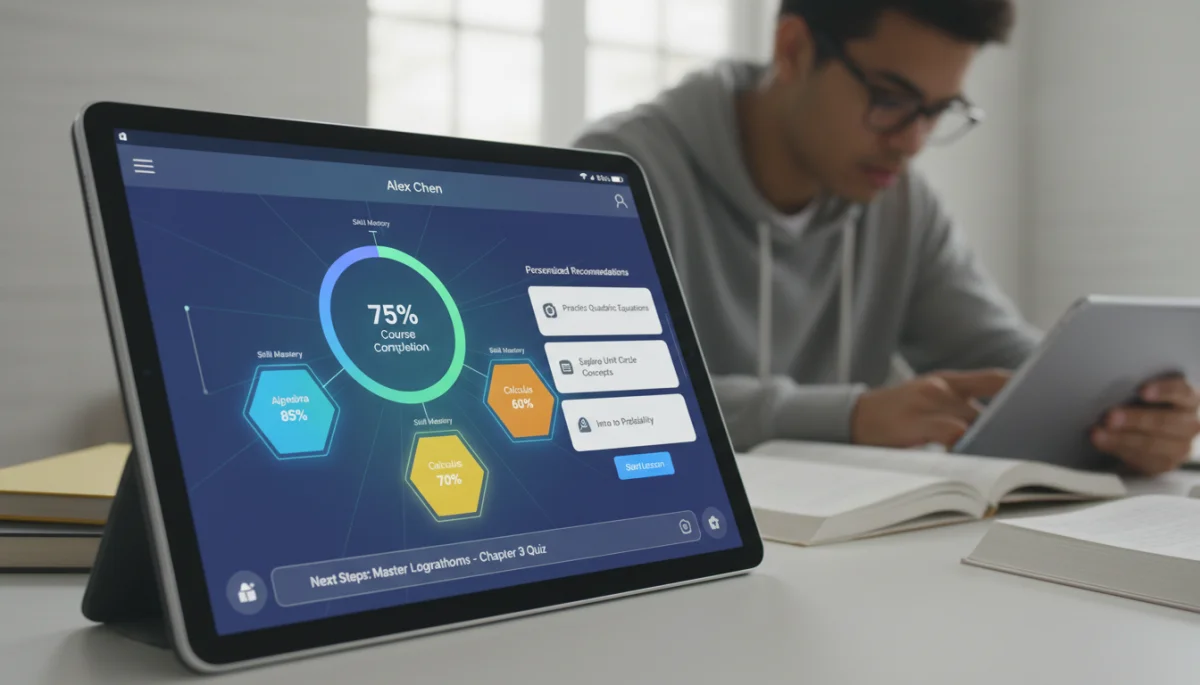
- Adaptive Learning Platforms: AI-powered systems that adjust content difficulty and pace based on a student’s performance, providing immediate feedback and targeted interventions.
- Learning Management Systems (LMS) with AI: Enhanced LMS platforms that track student progress, identify learning gaps, and recommend resources or pathways, streamlining administrative tasks for teachers.
- Virtual and Augmented Reality (VR/AR): Immersive experiences that bring abstract concepts to life, allowing students to explore historical sites, conduct virtual experiments, or dissect virtual organisms.
- Data Analytics and Learning Dashboards: Tools that provide educators with comprehensive insights into student engagement, performance, and learning patterns, enabling informed decision-making.
These technologies work in concert to create a comprehensive ecosystem for personalized learning. They empower teachers to spend less time on administrative tasks and more time on high-impact instructional strategies and one-on-one student support.
The continuous evolution of these tools means that classrooms in 2026 will be more dynamic and responsive than ever before. Technology is not replacing the teacher but augmenting their capabilities, allowing for a more nuanced and effective approach to education.
The Role of Artificial Intelligence in Tailoring Education
Artificial intelligence (AI) stands out as perhaps the most transformative technology driving personalized learning pathways. Its ability to process vast amounts of data, identify patterns, and make real-time adjustments is revolutionizing how educational content is delivered and consumed. AI is moving beyond simple automation to become a sophisticated partner in the learning process.
By 2026, AI-driven systems are deeply embedded in the fabric of American education, offering unprecedented levels of customization. These systems analyze student interactions, performance data, and learning preferences to construct optimal pathways for each individual.
How AI Personalizes the Learning Journey
AI’s impact on personalized learning is multifaceted, extending across various aspects of the educational experience.
- Dynamic Content Curation: AI algorithms can sift through vast educational resources to present students with content (videos, articles, interactive exercises) that aligns with their current understanding and learning style.
- Intelligent Tutoring Systems: These systems provide individualized, on-demand support, offering explanations, hints, and practice problems tailored to a student’s specific areas of difficulty.
- Predictive Analytics: AI can identify students at risk of falling behind or disengaging, allowing educators to intervene proactively with targeted support before problems escalate.
- Automated Assessment and Feedback: AI tools can grade certain types of assignments, provide instant, detailed feedback, and suggest areas for improvement, freeing up teacher time.
The real power of AI lies in its capacity to learn and adapt. As students interact with AI-powered platforms, the systems become more intelligent, refining their recommendations and interventions over time. This continuous feedback loop ensures that the personalization becomes increasingly precise and effective.
AI is not just about delivering content; it’s about understanding the learner. By simulating aspects of human cognition, AI can create a truly adaptive and responsive learning environment that caters to the ebb and flow of a student’s progress and understanding.
Empowering Educators: The Teacher’s Evolving Role
While technology drives personalized learning pathways, the role of the educator remains central and, in many ways, becomes even more critical. Teachers in 2026 are not replaced by algorithms but are empowered by them, transforming from information dispensers to learning architects and mentors. Their expertise in pedagogy, human connection, and emotional intelligence becomes invaluable.
This evolution requires a shift in professional development and a rethinking of classroom management. Educators are now tasked with curating resources, interpreting data, facilitating collaborative projects, and providing socio-emotional support tailored to individual student needs.
New Responsibilities and Opportunities
The integration of personalized learning technologies brings both new responsibilities and exciting opportunities for teachers.
- Data Interpreter and Strategist: Teachers analyze data from learning platforms to understand student progress, identify trends, and design targeted interventions or enrichment activities.
- Curriculum Designer and Resource Curator: Educators select and adapt digital and physical resources to create diverse learning options that cater to various learning styles and interests.
- Mentor and Coach: With more time freed from direct instruction, teachers can focus on building relationships, providing individualized feedback, fostering critical thinking, and addressing socio-emotional needs.
- Facilitator of Collaborative Learning: Teachers design and oversee group projects that encourage peer-to-peer learning, communication, and problem-solving skills, leveraging diverse student strengths.
The evolving role demands a blend of technological proficiency and pedagogical mastery. Teachers must be comfortable navigating digital platforms, but more importantly, they must understand how to leverage these tools to foster deeper learning and student engagement.
Ultimately, technology in personalized learning pathways allows teachers to focus on what they do best: connecting with students, inspiring curiosity, and guiding them toward their full potential. It elevates the profession by moving beyond rote instruction to a more dynamic, human-centered approach.
Benefits and Challenges of Implementing Personalized Learning Pathways
The shift towards personalized learning pathways offers a myriad of benefits, promising a more effective and equitable educational system. However, like any significant transformation, it also presents a unique set of challenges that need to be addressed for successful implementation. Understanding both sides is crucial for navigating this evolution effectively.
By 2026, many of these benefits are being realized, while solutions for the challenges are continuously being developed and refined. The journey is ongoing, requiring thoughtful planning and continuous adaptation.
Realizing the Advantages
The positive impacts of personalized learning are far-reaching, affecting students, educators, and the overall educational ecosystem.
- Increased Student Engagement: When learning is relevant and tailored, students are more motivated, invested, and active participants in their education.
- Improved Academic Outcomes: Addressing individual learning gaps and building on strengths leads to better comprehension, retention, and mastery of subject matter.
- Development of 21st-Century Skills: Personalized learning often fosters self-direction, critical thinking, problem-solving, and digital literacy, essential for future success.
- Equity and Accessibility: Technology can provide accommodations and differentiated instruction for diverse learners, including those with disabilities or from varied linguistic backgrounds.
Overcoming the Hurdles
Despite the clear advantages, implementing personalized learning pathways is not without its difficulties. Addressing these challenges requires strategic planning and investment.
- Teacher Training and Professional Development: Educators need comprehensive training not only in new technologies but also in new pedagogical approaches.
- Technological Infrastructure and Access: Ensuring equitable access to reliable internet and devices for all students, particularly in underserved communities, remains a significant hurdle.
- Data Privacy and Security: Managing student data ethically and securely is paramount, requiring robust policies and protective measures.
- Curriculum Development and Content Creation: Developing or curating high-quality, diverse, and adaptive learning content at scale is a continuous effort.
Successfully navigating these challenges requires collaboration among policymakers, educators, technology providers, and communities. The investment in personalized learning is an investment in the future of education and the potential of every student.
The Future Outlook: Beyond 2026 and Continuous Evolution
As we look beyond 2026, personalized learning pathways are not a static destination but a continuously evolving journey. The foundation laid by current technological advancements and pedagogical shifts will pave the way for even more sophisticated and integrated educational experiences. The future promises further innovations that will deepen personalization and enhance the learning process.
The goal is to create an educational system that is not only responsive to individual needs but also proactive in fostering holistic student development, preparing them for an unpredictable future.
Emerging Trends and Possibilities
Several trends indicate the direction personalized learning pathways will take in the years to come.
- Hyper-Personalization with Affective Computing: AI that can detect and respond to a student’s emotional state, adjusting content or providing support based on frustration, engagement, or confusion.
- Ubiquitous Learning Environments: Seamless integration of learning across various contexts – school, home, and community – facilitated by interconnected digital tools and personalized recommendations.
- Blockchain for Credentialing: Secure and verifiable digital records of skills and competencies, allowing for more flexible and recognized pathways beyond traditional degrees.
- Neuroscience-Informed Pedagogy: Deeper integration of insights from cognitive science to design learning experiences that are optimally aligned with how the brain learns.
The future of personalized learning pathways is one where education is not confined to the classroom walls or a fixed curriculum. It will be a dynamic, lifelong process tailored to individual aspirations and societal needs. The emphasis will increasingly be on developing adaptive skills, creativity, and critical thinking, rather than just content memorization.
This continuous evolution demands ongoing research, ethical considerations, and a commitment to ensuring that technology serves humanity’s best interests in education. The promise is a future where every learner can truly thrive.
| Key Aspect | Brief Description |
|---|---|
| Core Concept | Tailoring education to individual student needs, pace, and interests using technology. |
| Technological Drivers | AI, adaptive platforms, VR/AR, and data analytics are central to personalization. |
| Educator’s Role | Shifts from lecturer to facilitator, mentor, and data interpreter, empowered by tech. |
| Key Benefits | Increased engagement, improved outcomes, 21st-century skill development, and equity. |
Frequently Asked Questions About Personalized Learning
Personalized learning pathways are educational approaches that tailor content, pace, and instructional methods to meet each student’s unique needs, interests, and learning styles. They leverage technology to create customized learning journeys, moving away from a one-size-fits-all model and focusing on individual progress and mastery.
Technology enables personalized learning through tools like AI-powered adaptive platforms that adjust content difficulty, learning management systems that track progress, and data analytics that provide insights into student performance. These tools allow educators to manage and deliver individualized instruction efficiently and effectively to a diverse student body.
In personalized learning, the teacher’s role evolves from a lecturer to a facilitator, mentor, and guide. They interpret student data, curate resources, design engaging activities, and provide individualized support and socio-emotional coaching. Technology frees them to focus on deeper student connections and customized pedagogical strategies.
Students benefit from increased engagement, improved academic outcomes, and the development of crucial 21st-century skills like self-direction and critical thinking. Personalized approaches cater to diverse learning needs, reduce disengagement, and foster a deeper understanding of subjects, making learning more relevant and impactful for each individual.
Challenges include ensuring equitable access to technology and reliable internet, providing comprehensive teacher training, safeguarding student data privacy, and developing high-quality, adaptive curriculum content. Overcoming these requires significant investment, strategic planning, and collaborative efforts from educational stakeholders and policymakers.
Conclusion
The transformation of American classrooms by 2026, driven by personalized learning pathways and advanced technology, marks a pivotal moment in education. This shift promises a future where every student’s unique potential is recognized and nurtured through tailored educational experiences. While challenges persist, the commitment to leveraging technology to create more engaging, effective, and equitable learning environments is undeniable. As we move forward, continuous innovation and thoughtful implementation will ensure that personalized learning pathways empower a generation of adaptable, lifelong learners ready for the complexities of the future.
