New Technologies in US Art Exhibitions: 3 Key Trends for 2026
Anúncios
The integration of new technologies is fundamentally reshaping national art exhibitions, driving immersive experiences, AI-powered creativity, and enhanced accessibility in the US by 2026, offering unprecedented engagement opportunities for audiences.
The landscape of art is constantly evolving, and by 2026, the influence of new technologies on national art exhibitions in the United States will be profoundly transformative. This evolution promises to redefine how audiences engage with art, offering experiences far beyond traditional viewing. From immersive digital realms to AI-driven artistic creation, the future of art exhibition is dynamic and deeply intertwined with technological advancement.
Anúncios
The Rise of Immersive and Interactive Experiences
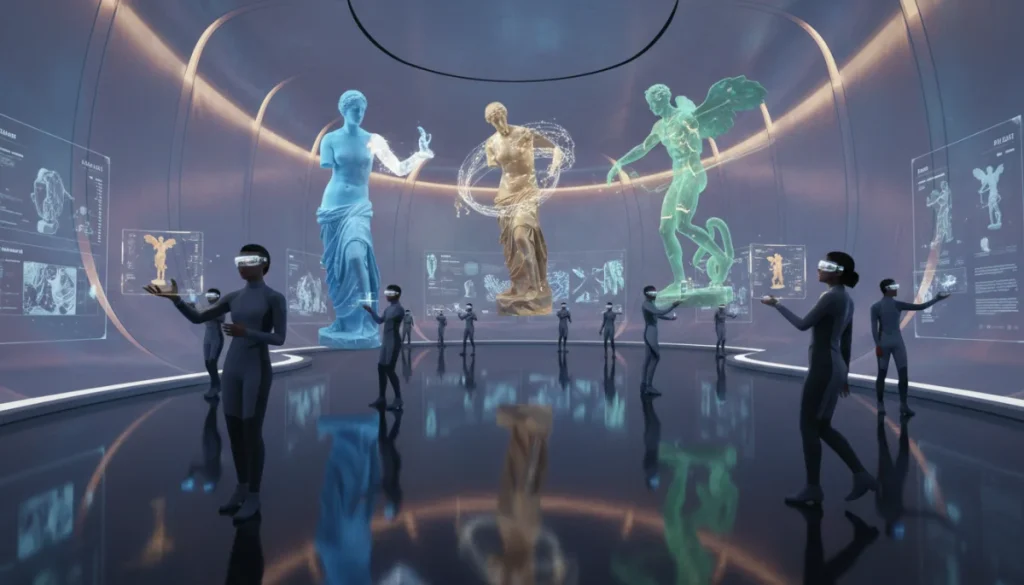
One of the most significant shifts in national art exhibitions is the move towards deeply immersive and interactive experiences. Gone are the days when art was solely to be observed from a distance; now, technology invites viewers to step directly into the artwork, becoming active participants rather than passive onlookers. This trend is driven by advancements in virtual reality (VR), augmented reality (AR), and mixed reality (MR), which are becoming more accessible and sophisticated.
These technologies allow for the creation of environments where art comes alive. Imagine walking through a painting, touching digital sculptures that react to your presence, or seeing historical artifacts recontextualized through holographic projections. Such experiences are not just novelties; they offer new avenues for understanding and emotional connection with artistic narratives, breaking down traditional barriers between art and audience.
Virtual Reality (VR) in Exhibition Spaces
VR technology is enabling museums and galleries to transport visitors to different times and places, offering unparalleled access to art. This includes:
- Recreating Lost Art: VR can bring back to life masterpieces that have been destroyed or are inaccessible, allowing viewers to experience them in their original context.
- Global Access: Virtual exhibitions remove geographical limitations, making national collections available to a worldwide audience, fostering inclusivity.
- Enhanced Storytelling: Narratives can be woven into VR experiences, providing deeper context and richer understanding of artworks and their creators.
The ability to don a headset and be instantly transported to a different artistic world is revolutionizing the concept of an exhibition, making art more democratic and engaging for a broader demographic.
Augmented Reality (AR) and Mixed Reality (MR) Integration
AR and MR technologies are also playing a crucial role, allowing digital elements to overlay or interact with the physical world. This creates a blended reality where art can extend beyond its physical confines.
Anúncios
- Interactive Guides: AR apps can provide dynamic information about artworks as visitors walk through a gallery, pointing out details or offering artist insights.
- Dynamic Installations: MR allows for physical objects to interact with digital projections, creating evolving art pieces that respond to the environment and audience.
- Personalized Experiences: Visitors can customize their viewing experience, choosing which layers of information or artistic interpretation they wish to engage with.
These blended realities offer a personalized and dynamic engagement with art, transforming static displays into living, breathing narratives that resonate deeply with individual viewers. The shift from observation to participation marks a significant evolution in how national art exhibitions are conceived and consumed.
Artificial Intelligence and Generative Art
The second key trend shaping national art exhibitions by 2026 is the growing integration of artificial intelligence (AI) and generative art. AI is not merely a tool for artists but is increasingly becoming an artist itself, challenging traditional notions of creativity and authorship. This development opens up entirely new categories of artistic expression and exhibition possibilities.
Generative art, created through algorithms and AI, can produce an infinite array of unique pieces, often evolving in real-time. This introduces an element of unpredictability and continuous novelty into exhibitions, where the artwork itself is never truly static. AI also aids human artists by providing new methods for concept generation, style experimentation, and even the reconstruction of historical art forms.
AI as a Creative Collaborator
Many contemporary artists are embracing AI as a collaborative partner, leveraging its computational power to explore artistic boundaries. This collaboration manifests in several ways:
- Algorithmic Composition: AI can generate complex visual patterns, musical scores, or literary texts based on predefined parameters, offering a new dimension to multimedia art.
- Style Transfer: AI algorithms can apply the stylistic elements of one artwork to another, creating hybrid pieces that blend different artistic eras or movements.
- Interactive AI Art: Some AI art reacts to audience input, evolving its form or content based on viewer interaction, creating a unique experience for each individual.
The dialogue between human intention and algorithmic execution produces art that is both intellectually stimulating and aesthetically captivating, pushing the very definition of what art can be.
Curatorial Innovations with AI
AI’s impact extends beyond creation to the curatorial process itself. By analyzing vast datasets of art history, audience preferences, and exhibition trends, AI can assist curators in developing more engaging and relevant exhibitions. This includes:
- Personalized Exhibition Paths: AI can suggest tailored routes through a museum based on a visitor’s interests, optimizing their experience.
- Predictive Analytics: AI can forecast the popularity of certain themes or artists, helping institutions plan future exhibitions that resonate with their audience.
- Collection Management: AI tools can assist in cataloging, preserving, and even identifying previously unknown connections within extensive art collections.
The integration of AI in both the creation and presentation of art signifies a profound evolution, transforming exhibitions into dynamic spaces of innovation and intellectual exploration. It challenges us to reconsider the roles of artist, curator, and audience in the digital age.
Enhanced Accessibility and Inclusivity
The third crucial trend for 2026 is the profound impact of new technologies on making art exhibitions more accessible and inclusive. Technology is breaking down physical, sensory, and economic barriers that have historically limited access to art, ensuring that a broader and more diverse audience can engage with cultural heritage.
This commitment to inclusivity is not just about digital access; it’s about creating equitable experiences for everyone. From virtual tours for those with mobility challenges to multi-sensory exhibits for individuals with visual or hearing impairments, technology is enabling national art institutions to reach communities previously underserved, enriching the cultural fabric of the nation.
Breaking Down Physical Barriers
For individuals with physical disabilities or those in remote locations, technology offers unprecedented access to national art collections.
- Virtual Museum Tours: High-definition 3D scans and VR tours allow anyone, anywhere, to navigate museum spaces and examine artworks up close, replicating the in-person experience.
- Robotic Guides: In some advanced museums, telepresence robots allow visitors to remotely control a device that navigates the museum, interacting with staff and viewing art in real-time.
- Accessible Interfaces: Websites and digital platforms are being designed with universal accessibility in mind, incorporating features like screen readers, keyboard navigation, and adjustable text sizes.
These innovations ensure that geographical distance or physical limitations no longer preclude engagement with national art treasures, opening up cultural experiences to a much wider audience.
Multi-Sensory and Cognitive Accessibility
Beyond physical access, technology is also enhancing sensory and cognitive accessibility, catering to a diverse range of needs and learning styles.
- Tactile and Haptic Feedback: 3D-printed replicas of sculptures or paintings, combined with haptic technology, allow visually impaired visitors to experience art through touch and vibration.
- Audio Descriptions and Sign Language Avatars: Detailed audio descriptions and AI-powered sign language avatars provide comprehensive information for those with visual or hearing impairments, making narratives fully accessible.
- Simplified Language and Interactive Tools: For visitors with cognitive disabilities or different language backgrounds, digital platforms offer simplified language options, interactive games, and visual aids to enhance understanding and engagement.
By leveraging these technological advancements, national art exhibitions are moving towards a truly inclusive model, ensuring that everyone, regardless of their abilities or background, can participate in and appreciate the rich tapestry of human creativity.
Data-Driven Curation and Personalization
The evolution of national art exhibitions is increasingly being shaped by data-driven approaches, leading to highly personalized experiences for visitors. By 2026, museums and galleries will leverage sophisticated analytics to understand audience preferences, optimize exhibit layouts, and tailor content delivery, moving beyond a one-size-fits-all model.
This trend is not about replacing human curators but empowering them with insights to create more resonant and impactful exhibitions. Data analytics can reveal patterns in visitor engagement, popular artworks, and even emotional responses, allowing institutions to fine-tune their offerings and foster deeper connections with their public.
Understanding Visitor Behavior Through Analytics
The collection and analysis of visitor data, always with privacy considerations, provide invaluable insights into how audiences interact with art. This includes:
- Heat Maps and Dwell Times: Sensors and camera technology can anonymously track visitor movement and time spent at various exhibits, identifying popular areas and bottlenecks.
- Feedback Loops: Digital surveys, interactive kiosks, and social media engagement provide qualitative data on visitor satisfaction and areas for improvement.
- Content Consumption: Tracking which digital resources (e.g., audio guides, AR overlays) are most utilized helps refine future content development.
These metrics enable curators to make informed decisions, ensuring that exhibitions are not only artistically compelling but also user-friendly and engaging for their target demographic.
Tailoring the Exhibition Journey
With a deeper understanding of visitor preferences, institutions can offer highly personalized exhibition experiences:
- Customized Digital Guides: Apps can suggest personalized routes and provide curated information based on a visitor’s expressed interests or past interactions.
- Adaptive Displays: Some digital exhibits can subtly adjust their content or presentation style based on the observed real-time engagement of the audience.
- Post-Visit Engagement: Personalized follow-up content, such as related artworks, artist interviews, or upcoming events, can extend the exhibition experience beyond the physical visit.
The ability to personalize the art journey transforms a museum visit from a general viewing into a bespoke cultural encounter, fostering greater appreciation and return visits. This data-driven approach promises a future where every interaction with art feels uniquely crafted for the individual.
Sustainable Practices and Digital Preservation
As technology advances, national art exhibitions are also embracing it to promote sustainable practices and enhance digital preservation efforts. By 2026, the intersection of technology and environmental consciousness will be a defining characteristic, addressing both the ecological footprint of exhibitions and the long-term safeguarding of artistic heritage.
The move towards digital-first or hybrid exhibitions reduces the need for extensive physical shipping, construction, and climate control, offering a greener alternative to traditional exhibition models. Simultaneously, advanced digital preservation techniques ensure that cultural artifacts, whether physical or born-digital, remain accessible for future generations.
Eco-Friendly Exhibition Design
Technology offers innovative solutions for creating more sustainable exhibitions:
- Reduced Physical Footprint: Virtual and augmented reality exhibitions significantly lessen the need for physical space, materials, and transportation of artworks, reducing carbon emissions.
- Energy-Efficient Displays: LED lighting, smart climate control systems, and energy-harvesting technologies are becoming standard in modern museum infrastructure, minimizing energy consumption.
- Recycled and Sustainable Materials: Digital fabrication techniques allow for the creation of exhibition structures from recycled or sustainably sourced materials, reducing waste.
These practices demonstrate a growing commitment within the art world to mitigate its environmental impact, aligning cultural enrichment with ecological responsibility.
Advanced Digital Preservation Techniques
The preservation of art, especially digital art and documentation of physical pieces, is being revolutionized by technology:
- 3D Scanning and Archiving: High-resolution 3D scanning creates precise digital replicas of physical artworks, invaluable for conservation, research, and virtual display.
- Blockchain for Provenance: Blockchain technology offers a secure and transparent way to record the provenance and history of artworks, combating forgery and aiding in ethical acquisition.
- Digital Asset Management Systems: Sophisticated systems manage vast collections of digital art, ensuring their long-term integrity, accessibility, and compatibility with future technologies.
By investing in these digital preservation strategies, national art exhibitions are securing the legacy of both traditional and contemporary art, ensuring that these cultural treasures endure for centuries to come, regardless of their original medium.
Global Collaboration and Cultural Exchange
The final trend for 2026 highlights how new technologies are fostering unprecedented global collaboration and cultural exchange in the realm of national art exhibitions. Digital platforms, communication tools, and shared virtual spaces are enabling institutions and artists worldwide to connect, share, and co-create, blurring geographical and cultural boundaries.
This interconnectedness enriches national exhibitions by bringing diverse perspectives and artistic traditions to local audiences, promoting a more global understanding of art. It also empowers artists from various backgrounds to showcase their work on international stages, fostering a truly global art community.
Virtual Collaboration Platforms
Artists, curators, and institutions are utilizing advanced digital platforms to collaborate across continents:
- Shared Virtual Studios: Artists can work together in real-time on digital projects, transcending physical distances to co-create complex installations or multimedia pieces.
- Remote Curatorial Teams: Curators from different countries can jointly develop exhibition concepts, share research, and plan logistics using integrated project management tools.
- International Digital Showcases: Online platforms host collaborative exhibitions featuring artists from diverse nations, providing a global stage for emerging talent.
These virtual spaces facilitate a rich exchange of ideas and methodologies, leading to innovative exhibitions that reflect a globalized artistic dialogue.
Democratizing Access to Global Art
Technology is making international art more accessible to national audiences, fostering cross-cultural appreciation:
- Streaming of International Performances: Live performances and events from global art festivals can be streamed into national galleries or homes, offering a window into diverse cultural expressions.
- Virtual Exchanges: Educational programs and artist talks can be conducted virtually, connecting national audiences directly with international artists and experts.
- Digital Repositories of Global Art: Online databases and digital libraries provide access to vast collections of art from around the world, supporting research and public engagement.
Through these technological avenues, national art exhibitions are becoming portals to a global artistic landscape, fostering empathy, understanding, and a shared appreciation for the rich diversity of human creativity. This trend signifies a future where art truly knows no borders.
| Key Trend | Brief Description |
|---|---|
| Immersive Experiences | VR/AR/MR technologies transform passive viewing into active participation, creating dynamic and personalized artistic encounters. |
| AI and Generative Art | AI acts as a creative collaborator and curatorial aid, producing evolving art and optimizing exhibition design for audience engagement. |
| Enhanced Accessibility | Technology breaks down physical and sensory barriers, making art accessible to diverse audiences through virtual tours and multi-sensory exhibits. |
| Global Collaboration | Digital platforms facilitate international artistic partnerships and cultural exchange, democratizing access to global art. |
Frequently Asked Questions About Art Tech Trends
VR immerses viewers in entirely virtual art worlds, recreating lost pieces or offering new perspectives. AR overlays digital content onto physical art, providing interactive information or dynamic visual enhancements, making exhibitions more engaging and personalized for visitors.
AI serves as a powerful tool for artists, assisting in generating new concepts, experimenting with styles, and even creating autonomous generative art. It challenges traditional notions of authorship and opens up new avenues for artistic expression, expanding creative boundaries.
Technology enables virtual tours for those with mobility issues, multi-sensory exhibits for the visually or hearing impaired, and digital interfaces with diverse language options. This democratizes access, ensuring a broader audience can engage with and appreciate art.
Absolutely. Digital exhibitions reduce the need for physical shipping and extensive construction, lowering carbon footprints. Energy-efficient displays and digital preservation of artworks also contribute to more environmentally friendly and sustainable practices within the art world.
Technology fosters global collaboration through virtual studios and remote curatorial teams, enabling international co-creation. It also democratizes access to global art via streaming and digital repositories, promoting cross-cultural understanding and a truly interconnected art community.
Conclusion
The journey towards 2026 for national art exhibitions in the United States is undeniably marked by profound technological integration. The three key trends—immersive experiences, AI and generative art, and enhanced accessibility—are not isolated phenomena but interconnected forces reshaping the very essence of how we create, present, and consume art. These advancements promise a future where art is more dynamic, inclusive, and globally connected than ever before, inviting audiences into a new era of cultural engagement and appreciation. The ongoing evolution ensures that art remains a vibrant and relevant reflection of our technologically advanced society.
