Bipartisan Infrastructure Law: 3 Policy Shifts for States in 2026

Anúncios
The Bipartisan Infrastructure Law introduces three critical policy shifts impacting U.S. states by 2026: enhanced funding mechanisms, a strong emphasis on sustainable infrastructure development, and a concerted effort towards equitable resource distribution.
Anúncios
The landscape of American infrastructure is undergoing a monumental transformation, largely driven by the comprehensive provisions of The Bipartisan Infrastructure Law: 3 Key Policy Shifts Impacting States in 2026. This landmark legislation is not merely about pouring concrete and laying asphalt; it represents a strategic realignment of federal priorities, poised to redefine how states approach development, funding, and long-term sustainability. As we approach 2026, understanding these shifts becomes crucial for state and local governments, businesses, and citizens alike.
Understanding the Bipartisan Infrastructure Law’s Mandate
The Bipartisan Infrastructure Law, officially known as the Infrastructure Investment and Jobs Act (IIJA), was signed into law in November 2021, marking the largest long-term investment in American infrastructure in decades. Its mandate extends far beyond traditional transportation projects, encompassing broadband internet, water pipes, power grids, and environmental remediation. This holistic approach recognizes the interconnectedness of various infrastructure sectors and their collective impact on economic growth, public health, and national security.
The law allocates over $1.2 trillion, with approximately $550 billion in new federal investments over five years. This substantial financial commitment signals a profound shift from decades of underinvestment, aiming to modernize aging systems and build new, resilient infrastructure for the 21st century. States are at the forefront of implementing these changes, receiving direct funding and guidance to execute projects that align with federal objectives.
Key Objectives and Long-Term Vision
- Modernizing America’s Infrastructure: Updating and repairing roads, bridges, public transit, and freight rail to improve safety and efficiency.
- Expanding Access to Broadband: Ensuring every American has access to reliable, affordable high-speed internet.
- Upgrading Water Infrastructure: Replacing lead pipes and improving water quality and resilience against climate change.
- Investing in Clean Energy and Power Grids: Strengthening the nation’s energy infrastructure and promoting renewable energy sources.
The long-term vision of the IIJA is to create a more sustainable, equitable, and economically competitive nation. By empowering states with significant resources and clear policy directives, the law seeks to foster innovation, create jobs, and enhance the quality of life for all Americans. The implications for states are vast, requiring strategic planning and adaptation to fully leverage the opportunities presented by this historic investment.
This foundational understanding of the Bipartisan Infrastructure Law’s scope and ambition is essential for appreciating the specific policy shifts that will significantly impact states by 2026. These shifts represent a departure from previous infrastructure funding models and demand a proactive response from state-level actors.
Policy Shift 1: Enhanced and Diversified Funding Mechanisms
One of the most immediate and impactful policy shifts brought about by the Bipartisan Infrastructure Law is the overhaul of funding mechanisms available to states. Historically, states have relied on a patchwork of federal grants, state taxes, and local bonds. The IIJA significantly augments federal contributions, introducing new programs and expanding existing ones, thereby diversifying the financial toolkit states can utilize for infrastructure projects.
Anúncios
This enhanced funding is not just about more money; it’s about smarter money. The law emphasizes competitive grants alongside formula funding, encouraging states to develop innovative and impactful projects that align with national priorities. This blend of funding types provides both stability and incentives for excellence, pushing states to be more strategic in their project selection and execution.
New Grant Programs and Expanded Eligibility
The IIJA establishes several new grant programs tailored to specific infrastructure needs, such as the Rebuilding American Infrastructure with Sustainability and Equity (RAISE) grants and the Promoting Resilient Operations for Transformative, Efficient, and Cost-saving Transportation (PROTECT) program. These programs often come with specific criteria, encouraging states to focus on resilience, sustainability, and equity.
- Competitive Grants: States must submit proposals demonstrating project merit, community impact, and alignment with federal goals.
- Formula Funding Increases: Significant boosts to traditional highway and transit formula programs provide a predictable revenue stream for ongoing maintenance and upgrades.
- Innovative Financing Options: The law also encourages the use of innovative financing tools, such as the Transportation Infrastructure Finance and Innovation Act (TIFIA) loans, which can leverage federal dollars to attract private investment.
The diversification of funding mechanisms requires states to develop new expertise in grant writing, project management, and inter-agency coordination. By 2026, states that have successfully navigated these new funding landscapes will likely see substantial progress in their infrastructure development. The shift away from solely relying on formula funds towards a more competitive and performance-based system demands a strategic evolution in state-level infrastructure planning.
In essence, states are being challenged to think beyond traditional funding streams and embrace a more dynamic and competitive approach to securing the resources needed for their infrastructure ambitions. This first policy shift sets the stage for how projects are conceived, funded, and ultimately brought to fruition across the nation.
Policy Shift 2: Emphasis on Sustainable and Resilient Infrastructure
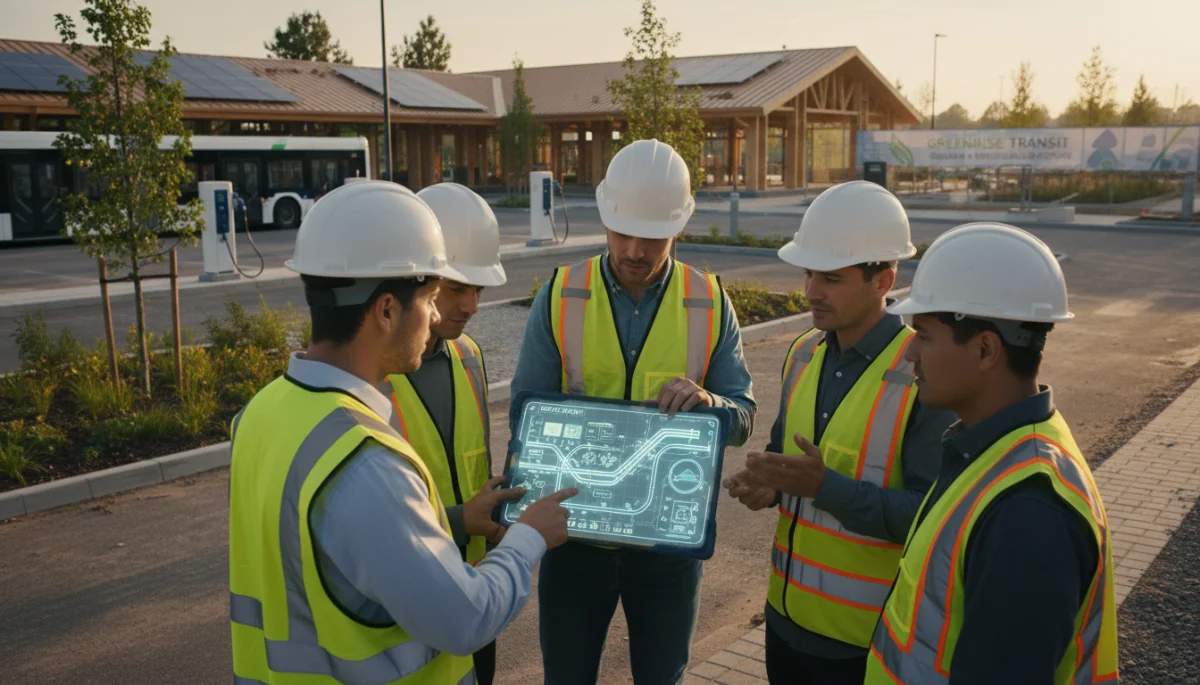
A second crucial policy shift embedded within the Bipartisan Infrastructure Law is its strong emphasis on building sustainable and resilient infrastructure. Recognizing the growing threats posed by climate change, extreme weather events, and aging systems, the IIJA mandates that new and upgraded infrastructure projects must incorporate features that enhance their durability, environmental compatibility, and long-term adaptability. This goes beyond mere repairs, advocating for forward-thinking design and construction.
This shift is evident in funding criteria that prioritize projects reducing carbon emissions, promoting energy efficiency, and protecting against climate impacts. States are now incentivized, and in some cases required, to integrate green technologies, renewable energy sources, and nature-based solutions into their infrastructure plans. The goal is to build infrastructure that not only serves current needs but also withstands future challenges and contributes positively to environmental health.

Integrating Green Technologies and Climate Resilience
The law specifically allocates funds for climate resilience and mitigation projects. This includes investments in flood control, wildfire prevention, coastal restoration, and the modernization of the electric grid to better withstand severe weather. States are encouraged to adopt innovative approaches to infrastructure development that minimize environmental footprint and maximize long-term resilience.
- Renewable Energy Integration: Funding for projects that incorporate solar, wind, and other renewable energy sources into public infrastructure.
- Nature-Based Solutions: Promoting the use of natural systems, such as wetlands and green spaces, to manage stormwater and enhance ecological resilience.
- Emissions Reduction: Incentivizing projects that reduce greenhouse gas emissions, particularly in the transportation sector.
- Climate-Resilient Design: Requiring new infrastructure to be designed and constructed to withstand anticipated climate impacts, such as rising sea levels and increased frequency of extreme weather.
By 2026, states are expected to demonstrate tangible progress in integrating these sustainable and resilient principles into their infrastructure portfolios. This policy shift necessitates a fundamental change in engineering practices, procurement processes, and long-term asset management. States that proactively embrace these directives will not only secure more federal funding but also build infrastructure that is more robust, efficient, and environmentally responsible for generations to come.
The emphasis on sustainability and resilience underscores a broader national commitment to addressing climate change and safeguarding communities. States play a pivotal role in translating these federal mandates into concrete, on-the-ground projects that deliver lasting benefits.
Policy Shift 3: Equity and Accessibility in Infrastructure Development
The third significant policy shift introduced by the Bipartisan Infrastructure Law centers on equity and accessibility in infrastructure development. For too long, infrastructure projects have sometimes exacerbated existing inequalities, disproportionately benefiting some communities while neglecting or even harming others. The IIJA seeks to rectify these historical imbalances by prioritizing projects that promote equitable access, create economic opportunities in underserved areas, and address environmental justice concerns.
This shift is reflected in funding criteria that consider the impact of projects on disadvantaged communities, tribal lands, and rural areas. The law encourages states to engage diverse stakeholders in the planning process, ensuring that the voices of those most affected by infrastructure decisions are heard and incorporated. The goal is to build infrastructure that serves all Americans, fostering inclusive economic growth and improving quality of life across all demographics.
Targeted Investments for Underserved Communities
The IIJA includes specific provisions and funding streams aimed at addressing infrastructure disparities. This includes dedicated funding for reconnecting communities divided by past infrastructure projects, expanding broadband access to rural and low-income areas, and improving public transit options in underserved neighborhoods. These targeted investments are designed to ensure that the benefits of infrastructure modernization are broadly shared.
- Community Reconnection: Funds allocated to dismantle or modify infrastructure that has historically created barriers between communities.
- Broadband Equity: Programs focused on bringing high-speed internet to every household, especially in rural and tribal areas.
- Transit Accessibility: Investments aimed at improving public transportation options for individuals with disabilities and residents of low-income communities.
- Workforce Development: Requirements to ensure that infrastructure jobs created by the law are accessible to local residents, including those from disadvantaged backgrounds.
By 2026, states will be expected to demonstrate how their infrastructure projects are actively promoting equity and accessibility. This requires a shift in mindset from purely economic or engineering considerations to a more holistic approach that integrates social justice and community well-being. States that embrace this policy shift will not only receive favorable consideration for federal funding but also build stronger, more cohesive communities.
The emphasis on equity and accessibility represents a moral imperative and a strategic investment in the nation’s human capital. By ensuring that all communities benefit from modern infrastructure, the IIJA aims to unlock new economic potential and foster a more just society.
Challenges and Opportunities for States
Implementing the vast provisions of the Bipartisan Infrastructure Law presents both significant challenges and unparalleled opportunities for states. The sheer scale of investment and the complexity of new policy directives require robust administrative capacity, innovative thinking, and effective collaboration across various levels of government and with private sector partners. States must navigate intricate funding applications, manage large-scale projects, and ensure compliance with federal guidelines, all while addressing local needs and priorities.
One primary challenge lies in workforce development. The demand for skilled labor in construction, engineering, and technology sectors will surge, requiring states to invest in training programs and educational initiatives to meet these needs. Additionally, the integration of new technologies and sustainability practices into traditional infrastructure projects will demand upskilling existing workers and attracting new talent.
Overcoming Implementation Hurdles
States will need to enhance their planning capabilities, often requiring new departments or expanded roles for existing agencies. Effective communication and coordination between state transportation departments, environmental agencies, and local governments will be paramount. Furthermore, engaging with communities and ensuring their input is integrated into project design will be critical for success and avoiding potential conflicts.
- Workforce Shortages: Addressing the need for skilled labor through apprenticeships and training programs.
- Inter-agency Coordination: Streamlining communication and collaboration between state, local, and federal entities.
- Community Engagement: Ensuring diverse community voices are heard and incorporated into project planning.
- Technological Adaptation: Adopting new technologies for project management, monitoring, and sustainable construction.
Despite these challenges, the opportunities are immense. The IIJA provides a once-in-a-generation chance to modernize infrastructure, stimulate economic growth, create well-paying jobs, and build a more resilient and equitable future. States that strategically leverage these investments can transform their economies, improve public services, and enhance their competitive standing. By 2026, the progress made in overcoming these hurdles will largely determine the extent to which states realize the full potential of this historic legislation.
The successful implementation of the Bipartisan Infrastructure Law hinges on states’ ability to adapt, innovate, and collaborate effectively. The next few years will be a critical period for establishing the frameworks and processes necessary to sustain this momentum.
Looking Ahead: The Long-Term Impact on State Development
The Bipartisan Infrastructure Law is not merely a short-term spending package; it represents a foundational shift in federal policy that will have profound long-term impacts on state development for decades to come. By 2026, the initial phases of implementation will be well underway, providing a clearer picture of the law’s transformative effects on state economies, environmental landscapes, and social equity. This long-term vision extends beyond the direct construction of projects to include systemic changes in how states plan, fund, and manage their infrastructure assets.
The sustained investment is expected to foster regional economic growth by improving connectivity, reducing transportation costs, and enhancing access to markets. States that strategically align their development goals with the IIJA’s objectives will likely see increased private sector investment, job creation, and improved quality of life for their residents. This includes the development of new industries related to green technology, advanced manufacturing, and digital infrastructure.
Transformative Outcomes and Future Readiness
The law’s emphasis on resilience and sustainability will leave states better prepared to withstand the impacts of climate change and other future disruptions. Investing in robust and adaptable infrastructure today will reduce future costs associated with repairs and disaster recovery. Furthermore, the focus on equity will help bridge historical divides, creating more inclusive and prosperous communities nationwide.
- Economic Revitalization: Long-term job creation and stimulation of local economies through sustained infrastructure development.
- Climate Adaptation: Enhanced resilience against environmental challenges, leading to safer and more secure communities.
- Improved Public Services: Better access to essential services like clean water, reliable power, and high-speed internet.
- Interstate Connectivity: More efficient movement of goods and people, strengthening national supply chains and economic integration.
By 2026 and beyond, the Bipartisan Infrastructure Law is poised to fundamentally reshape the physical and economic fabric of the United States. States that strategically embrace its policy shifts—enhanced funding, sustainability, and equity—will emerge stronger, more resilient, and better equipped to meet the challenges and opportunities of the 21st century. The legacy of this legislation will be measured not just in miles of road or gallons of clean water, but in the enduring strength and fairness of the nation’s infrastructure systems.
This forward-looking perspective highlights the enduring significance of the IIJA, positioning states as key players in a national effort to build a better future. The transformations initiated now will continue to unfold, shaping the trajectory of state development for generations.
| Key Policy Shift | Brief Description |
|---|---|
| Diversified Funding | New competitive grants and increased formula funding for states. |
| Sustainable Infrastructure | Emphasis on climate resilience, green technologies, and environmental protection. |
| Equity & Accessibility | Prioritizing projects in underserved communities and promoting inclusive access. |
| Long-Term Impact | Systemic changes for state planning, economic growth, and future readiness. |
Frequently Asked Questions About the Infrastructure Law
The primary goal is to modernize and rebuild America’s infrastructure, addressing decades of underinvestment across various sectors like transportation, broadband, water, and energy, to foster economic growth and improve quality of life.
It significantly enhances and diversifies state funding by increasing formula funds and introducing new competitive grant programs, encouraging states to pursue innovative and impactful projects aligned with federal priorities.
Sustainable infrastructure refers to projects that incorporate environmental compatibility, climate resilience, and reduced carbon emissions, using green technologies and nature-based solutions to ensure long-term durability and ecological benefit.
The law prioritizes projects that benefit underserved communities, tribal lands, and rural areas by targeting investments to address historical disparities, improve accessibility, and ensure equitable distribution of infrastructure benefits.
Key challenges include workforce shortages, complex grant application processes, inter-agency coordination, and the need for technological adaptation, all requiring robust planning and collaboration from state governments.
Conclusion
The Bipartisan Infrastructure Law represents a pivotal moment for the United States, ushering in an era of unprecedented investment and strategic policy shifts designed to modernize the nation’s foundational systems. As 2026 approaches, states are actively engaged in navigating the implications of enhanced and diversified funding, the imperative for sustainable and resilient development, and a renewed focus on equity and accessibility. These shifts are not without their challenges, demanding significant adaptation and innovation from state and local governments. However, the long-term opportunities are immense, promising to deliver a more robust economy, a healthier environment, and more equitable communities for generations to come. The success of this ambitious undertaking will ultimately depend on the continued collaboration, foresight, and commitment of all stakeholders involved in building a stronger American future.
