Digital Divide 2026: Analyzing Broadband Gaps & Societal Impact
Anúncios
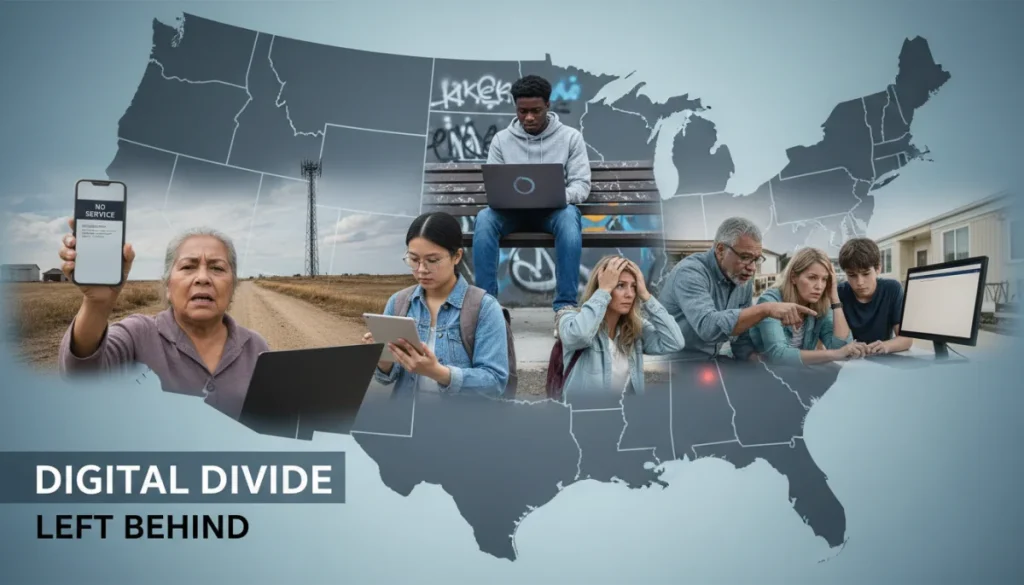
The digital divide 2026 continues to affect 50 million Americans, creating significant broadband access gaps with far-reaching societal consequences across education, healthcare, and economic opportunity.
Anúncios
The persistent challenge of the digital divide 2026 remains a critical concern for the United States, impacting an estimated 50 million Americans who lack reliable broadband access. This pervasive issue extends beyond mere connectivity, deeply influencing critical aspects of daily life from education and healthcare to economic mobility and civic engagement.
Understanding the Scope of Broadband Access Gaps in 2026
In 2026, the United States still grapples with significant disparities in broadband internet access, a problem that disproportionately affects certain demographics and geographic regions. While technological advancements have accelerated, the infrastructure required to deliver high-speed internet to every household has not kept pace, leaving millions in a digital lurch. This access gap is not just about the availability of internet service, but also about its affordability and the digital literacy required to utilize it effectively.
The federal government, alongside state and local initiatives, has poured billions into closing this gap, yet the complexities of deployment in remote areas, along with the economic realities for low-income households, present ongoing hurdles. The definition of ‘broadband’ itself has evolved, with increasing demands for higher speeds for activities like remote work, online learning, and telehealth, further exacerbating the existing divide.
Geographic and Socioeconomic Disparities
The digital divide is not a monolithic issue; it manifests differently across various communities. Rural areas, for instance, often lack the necessary infrastructure due to the high cost of laying fiber optic cables over vast, sparsely populated regions. Urban areas, while generally better served, still contain pockets of underserved communities, particularly in low-income neighborhoods where affordability is the primary barrier.
- Rural Areas: Limited infrastructure, high deployment costs, and lower population density make it less profitable for private providers.
- Urban Low-Income Areas: Infrastructure may exist, but the cost of subscriptions, devices, and digital literacy training remains prohibitive.
- Tribal Lands: Often face a combination of rural challenges compounded by unique jurisdictional and land-use complexities.
These disparities underscore the need for targeted interventions that address the specific challenges faced by each affected group. A one-size-fits-all approach is unlikely to succeed in bridging the multifaceted digital divide.
The scope of the digital divide in 2026 reveals a persistent challenge rooted in both infrastructure and socioeconomic factors. While progress has been made, the remaining gaps highlight the need for more nuanced and comprehensive strategies to ensure equitable access to high-speed internet for all Americans.
Anúncios
Educational Impact: Learning Gaps and Opportunities Lost
The absence of reliable broadband access has profound implications for education, particularly in an era where online learning platforms and digital resources are integral to academic success. For the 50 million Americans without adequate internet, educational opportunities are severely limited, creating a significant learning gap that can perpetuate cycles of disadvantage. Students in digitally deprived households often struggle to complete homework, access supplementary materials, or participate in virtual classrooms, putting them at a distinct disadvantage compared to their connected peers.
This educational disparity is not confined to K-12 students; it extends to higher education and adult learning programs, hindering skill development and workforce training. The ability to access online courses, certifications, and vocational training is crucial for career advancement in the modern economy. Without it, individuals are left behind, unable to acquire the necessary skills to compete in a rapidly evolving job market.
Remote Learning Challenges
The shift towards remote and hybrid learning models, accelerated by recent global events, starkly illuminated the vulnerabilities created by the digital divide. Families without broadband were forced to rely on public Wi-Fi hotspots, mobile data plans with limited allowances, or simply go without, leading to significant academic setbacks.
- Homework Gap: Students unable to complete online assignments due to lack of home internet access.
- Resource Inequality: Limited access to digital libraries, educational software, and interactive learning tools.
- Teacher-Student Communication: Difficulties in maintaining consistent communication and support outside of school hours.
These challenges contribute to lower academic performance, increased dropout rates, and a widening achievement gap between students from connected and unconnected backgrounds. Addressing the digital divide is therefore an educational imperative, essential for fostering equitable learning environments.
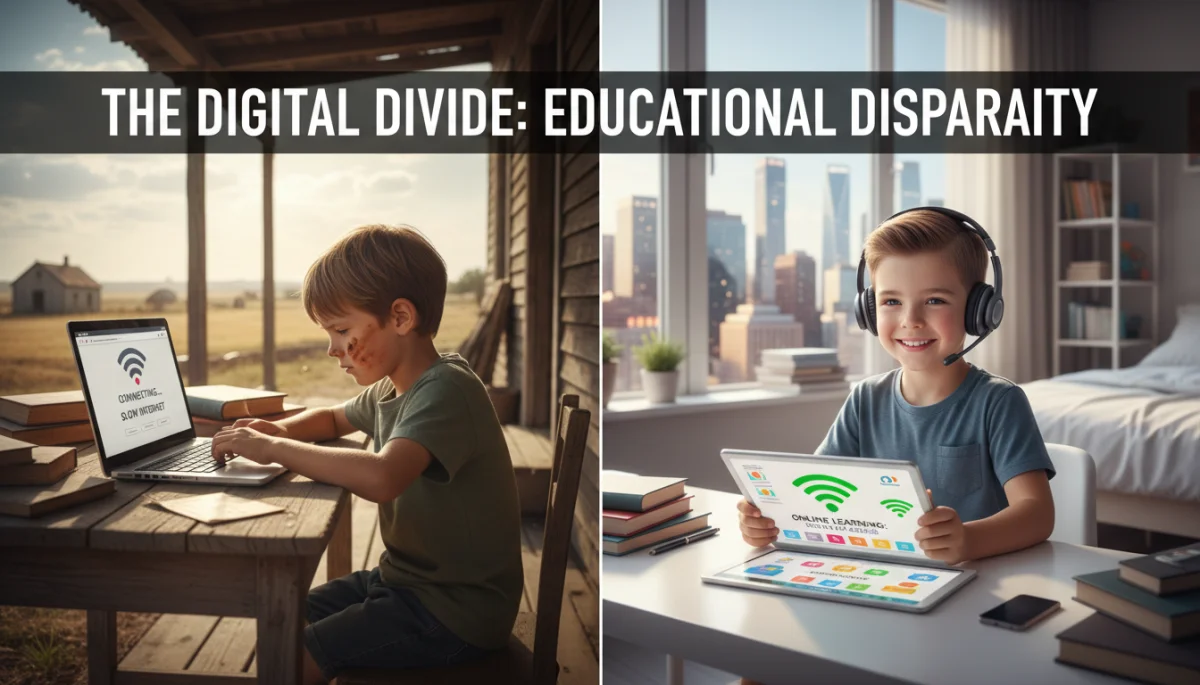
The educational consequences of the digital divide are far-reaching, impacting academic achievement, skill development, and future opportunities for millions. Bridging this gap is crucial for ensuring that all students have the tools they need to succeed in the 21st century.
Economic Disadvantage: Workforce, Innovation, and Income Inequality
The economic ramifications of the digital divide are extensive, affecting individuals, businesses, and regional economies. Lack of broadband access severely limits job opportunities, particularly in an economy increasingly reliant on digital skills and remote work. For the 50 million Americans without adequate connectivity, finding and retaining employment becomes significantly more challenging, contributing to higher unemployment rates and stagnant wages in underserved communities.
Small businesses in these areas also suffer, unable to leverage e-commerce, cloud computing, or digital marketing strategies that are essential for competitiveness in today’s market. This stifles local economic growth and innovation, making it harder for these regions to attract new businesses or retain existing ones. The economic disadvantage created by the digital divide exacerbates existing income inequalities, deepening the chasm between the digitally connected and the digitally excluded.
Impact on Entrepreneurship and Remote Work
The rise of remote work has transformed the employment landscape, offering flexibility and access to a broader range of jobs. However, this opportunity is largely inaccessible to those without reliable broadband. Similarly, aspiring entrepreneurs in digitally underserved areas face significant barriers to launching and scaling online businesses, limiting their potential for wealth creation and local job generation.
- Job Search Limitations: Difficulty applying for jobs online, accessing professional networking platforms, or participating in virtual interviews.
- Business Growth Stagnation: Small businesses unable to reach broader markets or efficiently manage operations through digital tools.
- Innovation Barrier: Lack of connectivity impedes access to information, collaboration tools, and resources vital for innovation.
The economic impact extends to reduced tax bases and decreased investment in communities struggling with connectivity, creating a vicious cycle of underdevelopment. Bridging the digital divide is thus a critical component of fostering economic equity and prosperity across the nation.
In summary, the economic disadvantage stemming from the digital divide is a major obstacle to individual prosperity and regional development. Addressing broadband access gaps is essential for empowering the workforce, stimulating innovation, and reducing income inequality.
Healthcare Disparities: Telemedicine, Information, and Well-being
The digital divide in 2026 presents substantial challenges to healthcare access and outcomes for millions of Americans. Telemedicine, once a niche service, has become a vital component of modern healthcare delivery, offering convenience and reducing barriers to care. However, for the 50 million individuals lacking broadband, these benefits remain largely out of reach. This digital exclusion means missed appointments, delayed diagnoses, and limited access to specialists, particularly in rural and underserved urban areas.
Beyond direct medical appointments, access to reliable health information is critical for preventative care and managing chronic conditions. Individuals without internet connectivity struggle to research health issues, access patient portals, or utilize online wellness resources. This information gap can lead to poorer health literacy and less informed health decisions, ultimately impacting overall well-being and increasing healthcare costs in the long run.
Challenges in Telehealth Adoption
While telehealth offers a promising solution for extending healthcare services, its effectiveness is severely hampered by the digital divide. Patients need not only reliable internet but also appropriate devices and the digital skills to navigate virtual platforms. The elderly, often a demographic with higher healthcare needs, frequently face these combined barriers.
- Limited Access to Specialists: Rural patients unable to consult specialists without travel, which telemedicine could alleviate.
- Emergency Care Delays: Difficulty in quickly accessing virtual consultations for non-emergency conditions, potentially escalating issues.
- Health Information Gap: Inability to access credible health resources, leading to reliance on less reliable sources or no information at all.
The inability to fully participate in the digital healthcare revolution perpetuates health disparities, particularly for vulnerable populations. Ensuring equitable broadband access is therefore a public health imperative, crucial for improving health outcomes and fostering a more resilient healthcare system.
The digital divide’s impact on healthcare is significant, limiting access to telemedicine and vital health information. Bridging this gap is essential for advancing health equity and ensuring that all Americans can benefit from modern medical advancements.
Social and Civic Engagement: Isolation and Disenfranchisement
Beyond economic and educational impacts, the digital divide also profoundly affects social cohesion and civic participation. For the 50 million Americans without reliable internet, the ability to connect with family and friends, engage with community resources, or participate in democratic processes is significantly curtailed. This digital exclusion can lead to increased social isolation, particularly among the elderly or those in remote areas, exacerbating feelings of loneliness and detachment from broader society.
Civic engagement, increasingly moving online, also suffers. Access to government services, public forums, and electoral information often requires internet connectivity. Without it, citizens may find it harder to stay informed about local issues, communicate with elected officials, or register to vote, leading to a form of digital disenfranchisement. This can undermine democratic principles and limit the voices of already marginalized communities.
Community and Information Access
The internet serves as a primary conduit for community news, local events, and support networks. For those without access, staying informed about what is happening in their immediate surroundings or finding crucial social services becomes a challenge. This lack of information can hinder community development and reduce the effectiveness of local outreach efforts.
- Social Isolation: Reduced ability to connect with distant family and friends, or participate in online social groups.
- Limited Civic Participation: Barriers to accessing government services, voting information, and public discourse platforms.
- Emergency Information Gap: Difficulty receiving timely alerts and information during natural disasters or public health crises.
The social and civic implications of the digital divide highlight its role in fragmenting communities and marginalizing voices. Ensuring universal broadband access is vital for fostering inclusive societies and strengthening democratic participation.
In conclusion, the digital divide contributes to social isolation and limits civic engagement, undermining community bonds and democratic processes. Addressing these connectivity gaps is crucial for building more inclusive and participatory societies.
Policy Responses and Future Outlook for Bridging the Gap
In response to the persistent digital divide, various policy initiatives have been launched and are continually being refined to bridge the broadband access gaps for the 50 million Americans affected. Federal programs, such as the Affordable Connectivity Program (ACP) and infrastructure grants, aim to address both the supply and demand sides of the problem. However, the scale of the challenge requires sustained effort, innovative solutions, and strong public-private partnerships.
Looking ahead to the mid-2020s, the focus is shifting towards more comprehensive strategies that not only expand infrastructure but also ensure affordability, promote digital literacy, and provide access to necessary devices. The goal is not just to connect every household but to ensure that every individual has the skills and resources to effectively utilize the internet for personal, educational, and economic advancement. The future outlook depends heavily on the political will to prioritize universal broadband as a fundamental utility.
Key Policy Strategies
Several strategies are being employed to tackle the multifaceted problem of the digital divide. These include direct funding for infrastructure expansion in underserved areas, subsidies for low-income households to afford internet services, and community-based programs focused on digital skills training.
- Infrastructure Investment: Funding to deploy fiber and other high-speed technologies in rural and remote regions.
- Affordability Programs: Subsidies and discounts to make internet service accessible to low-income families.
- Digital Literacy Initiatives: Programs to teach essential digital skills, particularly for seniors and underserved populations.
Challenges remain, including the efficient allocation of funds, overcoming regulatory hurdles, and ensuring long-term sustainability of these programs. However, the increasing recognition of broadband as a necessity, rather than a luxury, provides a strong impetus for continued progress.
Policy responses to the digital divide are evolving, focusing on infrastructure, affordability, and digital literacy. The future outlook for bridging this gap hinges on sustained commitment and a multi-pronged approach to ensure universal broadband access.
| Key Point | Brief Description |
|---|---|
| 50 Million Unconnected | Estimated number of Americans still lacking reliable broadband access in 2026. |
| Societal Impact | Broadband gaps negatively affect education, healthcare, economy, and civic engagement. |
| Policy Responses | Government programs and partnerships aim to expand infrastructure and ensure affordability. |
| Future Outlook | Continued focus on universal access, digital literacy, and sustainable solutions. |
Frequently Asked Questions About the Digital Divide
In 2026, an estimated 50 million Americans still lack reliable broadband internet access. This gap persists across rural, tribal, and some urban low-income areas, despite ongoing efforts to expand infrastructure and improve affordability. The challenge is complex, involving both physical connectivity and socioeconomic barriers to adoption.
Lack of broadband significantly hinders educational opportunities, creating a ‘homework gap’ for students unable to complete online assignments or access digital learning resources. It also limits participation in virtual classrooms and advanced online courses, perpetuating educational disparities and impacting long-term academic success for millions.
The digital divide leads to economic disadvantage by limiting job opportunities, especially in remote work and digital industries. It stifles small business growth, impedes innovation, and exacerbates income inequality in underserved communities. Reliable internet is now essential for economic participation and upward mobility.
Broadband gaps severely restrict access to telemedicine services, crucial for remote consultations and specialist care. Individuals without internet also struggle to access vital health information, manage chronic conditions via patient portals, or utilize online wellness resources, leading to poorer health outcomes and disparities.
Various federal and state programs, including infrastructure grants and affordability subsidies like the Affordable Connectivity Program, aim to bridge the divide. These initiatives focus on expanding high-speed internet infrastructure, making service affordable, and promoting digital literacy to ensure equitable access and utilization for all citizens.
Conclusion
The analysis of the digital divide 2026 underscores its pervasive and multifaceted impact on American society. With 50 million citizens still lacking reliable broadband access, the consequences ripple through education, healthcare, economic opportunity, and civic engagement, creating significant disparities and hindering national progress. While governmental and private sector efforts are underway to expand infrastructure and improve affordability, the complexity of the issue demands sustained commitment and innovative, community-centric solutions. Bridging this divide is not merely a technical challenge; it is a societal imperative that requires ensuring equitable access to a foundational utility, thereby unlocking the full potential of all Americans in an increasingly digital world.
