Environmental Justice: 2026 Policy Updates & Societal Impact in US
Anúncios
The 2026 environmental justice policies in the US are set to significantly address historical and ongoing disproportionate societal burdens, aiming for equitable environmental protection and resource allocation across all communities.
Anúncios
The landscape of environmental policy is continually evolving, and the year 2026 marks a pivotal moment for environmental justice in the United States. New policies are emerging, designed to specifically tackle the disproportionate societal burdens that have historically plagued marginalized communities. This article delves into these environmental justice policies, examining their scope, potential impact, and the profound implications for a more equitable future across the nation.
Understanding the Core of Environmental Justice
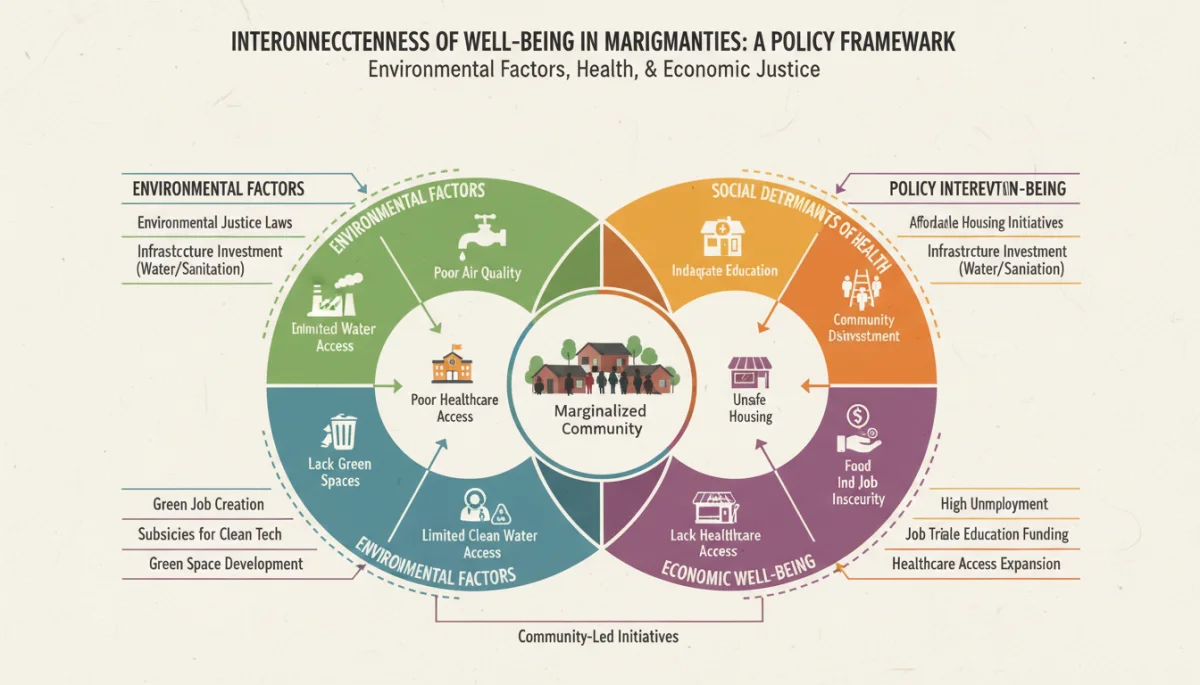
Environmental justice is not merely a concept; it is a movement and a policy framework that seeks to ensure fair treatment and meaningful involvement of all people, regardless of race, color, national origin, or income, with respect to the development, implementation, and enforcement of environmental laws, regulations, and policies. It recognizes that certain communities, often those with lower socioeconomic status or minority populations, bear a disproportionate share of environmental hazards, such as pollution from industrial facilities, inadequate infrastructure, and limited access to green spaces.
The historical roots of environmental injustice are deeply intertwined with systemic racism and socioeconomic inequality. For decades, polluting industries and waste disposal sites have been predominantly located in or near communities of color and low-income areas. This has led to higher rates of chronic diseases, reduced life expectancy, and diminished quality of life for residents in these ‘sacrifice zones.’
The Historical Context of Disparity
Understanding the past is crucial to appreciating the necessity of current and future policies. Environmental injustices did not happen by accident; they are the result of deliberate policy choices and economic pressures. Zoning laws, redlining practices, and a lack of political representation have all contributed to the concentration of environmental harms in vulnerable communities.
- Redlining: This practice systematically denied services to residents of certain areas, often based on race or ethnicity, leading to underinvestment and increased environmental burdens.
- Siting Decisions: Industrial facilities and waste sites were frequently placed in communities with less political power to resist them.
- Lack of Infrastructure: Many marginalized communities suffer from aging water systems, insufficient sanitation, and limited access to public transportation, exacerbating environmental health risks.
The goal of environmental justice is to rectify these historical wrongs and prevent future disparities. It demands that all communities have an equal right to a healthy and safe environment, free from the burdens of pollution and environmental degradation. The 2026 policies aim to be a significant step forward in this ongoing struggle.
Key Pillars of the 2026 Environmental Justice Initiatives
The 2026 environmental justice policies represent a comprehensive approach to addressing deeply entrenched issues. These initiatives are built upon several key pillars, each designed to tackle different facets of environmental inequality. From enhanced regulatory oversight to community-driven solutions, the new framework aims for a holistic transformation.
Anúncios
One of the central tenets of the 2026 policies is a stronger emphasis on cumulative impact assessments. Traditionally, environmental regulations have focused on individual sources of pollution. However, communities facing environmental injustice often contend with multiple sources of pollution simultaneously. The cumulative impact approach acknowledges this reality, requiring regulators to consider the combined effects of various environmental stressors on a community’s health and well-being.
Regulatory Enhancements and Enforcement
The new policies introduce more stringent regulations and robust enforcement mechanisms. This includes increased funding for environmental agencies to monitor compliance, investigate violations, and impose penalties on polluters. There is a particular focus on industries that have historically contributed to environmental degradation in vulnerable areas.
- Stricter Emission Standards: New limits on pollutants from industrial facilities, especially those located near residential areas.
- Enhanced Monitoring: Deployment of advanced air and water quality monitoring systems in overburdened communities.
- Increased Penalties: Higher fines and more severe legal consequences for environmental violations.
Furthermore, the policies prioritize proactive measures, such as requiring environmental impact assessments for new projects to explicitly consider environmental justice implications from the outset. This aims to prevent the creation of new sacrifice zones and ensure that development benefits all segments of society equitably. The focus on prevention is a significant shift from the reactive approach of the past.
Empowering Communities: Participation and Resource Allocation
A fundamental aspect of the 2026 environmental justice framework is the empowerment of communities. Historically, decisions regarding environmental policy and industrial siting have often been made without meaningful input from the affected populations. The new policies seek to rectify this by ensuring that community voices are central to the decision-making process.
This includes mandates for increased public participation in environmental permitting processes, greater transparency in data sharing, and the establishment of community advisory boards. These mechanisms are designed to give residents a direct say in issues that impact their health and environment, fostering a sense of ownership and accountability.
Funding and Technical Assistance for Grassroots Efforts
Recognizing that many grassroots environmental justice organizations operate with limited resources, the 2026 policies allocate significant funding for technical assistance and capacity building. This support enables communities to conduct their own research, advocate effectively, and participate meaningfully in regulatory processes.
- Grants for Community Projects: Financial support for local initiatives addressing environmental hazards and promoting sustainable development.
- Technical Training: Programs to educate community leaders on environmental law, science, and policy.
- Access to Legal Aid: Resources to help communities navigate complex legal challenges related to environmental protection.
The emphasis on community-driven solutions is critical. It acknowledges that local residents often possess the most intimate knowledge of their environmental challenges and the most innovative ideas for addressing them. By providing the necessary resources and platforms, the 2026 policies aim to foster genuine partnerships between government agencies and affected communities, leading to more effective and equitable outcomes.
Addressing Health Disparities Through Environmental Justice
The link between environmental quality and public health is undeniable, and for communities burdened by environmental injustice, this link is often tragically pronounced. The 2026 policies place a strong emphasis on mitigating health disparities that arise from environmental pollution and degradation. This involves targeted interventions and a public health-centered approach to environmental regulation.
Exposure to pollutants such as particulate matter, lead, and toxic chemicals has been linked to a range of health problems, including asthma, cancer, developmental delays, and cardiovascular disease. These health burdens disproportionately affect communities living near industrial zones or in areas with poor infrastructure. The new policies aim to reduce these exposures and improve health outcomes.
Integrated Health and Environmental Assessments
A key feature of the 2026 framework is the integration of health impact assessments into environmental decision-making. This means that before a new project is approved or an existing one is renewed, its potential health consequences for the surrounding community must be thoroughly evaluated. This goes beyond traditional environmental assessments by focusing specifically on human health.
- Health Equity Metrics: Development of specific indicators to measure and track progress in reducing environmentally-driven health disparities.
- Access to Healthcare: Initiatives to improve access to healthcare services in communities most affected by environmental pollution.
- Public Health Interventions: Funding for programs that address environmental health risks, such as lead abatement and mold remediation.
By prioritizing public health in environmental policy, the 2026 initiatives seek to create environments where all individuals can thrive, regardless of their zip code. This holistic approach recognizes that a healthy environment is a fundamental prerequisite for a healthy population, and that addressing environmental injustice is a critical step towards achieving health equity.
Economic Implications and Green Development
The implementation of the 2026 environmental justice policies carries significant economic implications, both for industries and for the communities they impact. While some may initially view environmental regulations as a burden, these policies are also designed to foster green development, create new economic opportunities, and promote sustainable practices that benefit all.
For industries, the new regulations may necessitate investments in cleaner technologies, updated infrastructure, and more responsible waste management practices. While this requires initial capital, it can also lead to long-term cost savings through increased efficiency, reduced waste, and avoidance of future penalties. Furthermore, it positions companies to be leaders in a rapidly evolving green economy.
Investing in Sustainable Futures
The policies also include provisions for significant investments in green infrastructure and clean energy projects within environmental justice communities. This not only helps to mitigate environmental burdens but also creates local jobs, stimulates economic growth, and improves the overall quality of life.
- Renewable Energy Projects: Development of solar farms, wind power, and other clean energy sources in historically marginalized areas.
- Green Job Training: Programs to equip residents with the skills needed for jobs in the burgeoning green economy.
- Sustainable Urban Planning: Funding for projects that promote walkable communities, public transit, and access to fresh, healthy food.
By coupling environmental protection with economic development, the 2026 policies aim to break the cycle of environmental degradation and economic disadvantage. They envision a future where environmental justice communities are not only free from pollution but are also vibrant centers of innovation and sustainable growth, demonstrating that environmental stewardship and economic prosperity can go hand-in-hand.
Challenges and the Path Forward for Environmental Justice
While the 2026 environmental justice policies represent a monumental step forward, their implementation will undoubtedly face challenges. Resistance from certain industries, bureaucratic hurdles, and the sheer scale of historical injustice are significant obstacles. However, the comprehensive nature of these policies, coupled with strong community advocacy, provides a robust framework for overcoming these difficulties.
One of the primary challenges will be ensuring consistent enforcement across all states and localities. Environmental issues often transcend jurisdictional boundaries, requiring coordinated efforts from federal, state, and local agencies. Building consensus and fostering collaboration among these diverse entities will be crucial for the policies’ success.
Ensuring Equitable Implementation
Another critical aspect is the continued engagement of environmental justice advocates and community leaders. Their vigilance will be essential in holding agencies and industries accountable and ensuring that the policies are implemented in a way that truly benefits the most vulnerable populations. Without active community oversight, even the best-intentioned policies can fall short of their goals.
- Continuous Monitoring: Regular review and adjustment of policies based on real-world outcomes and community feedback.
- Public Awareness Campaigns: Educating the broader public about the importance of environmental justice and the benefits of these policies.
- Interagency Collaboration: Strengthening partnerships between different government bodies to streamline efforts and maximize impact.
The path forward for environmental justice is a long and complex one, but the 2026 policies lay a strong foundation. They signify a national commitment to addressing disproportionate societal burdens and building a more just and sustainable future for all Americans. The success of these initiatives will ultimately hinge on collective action, sustained political will, and the continued advocacy of those most impacted by environmental injustice.
| Key Policy Area | Brief Description |
|---|---|
| Cumulative Impact Assessments | Requires consideration of combined effects of multiple pollution sources on communities. |
| Community Empowerment | Mandates increased public participation and funding for grassroots environmental justice groups. |
| Health Disparity Reduction | Integrates health impact assessments into environmental decisions and targets health equity. |
| Green Development Incentives | Promotes investments in clean energy and green infrastructure within affected communities. |
Frequently Asked Questions About 2026 Environmental Justice Policies
The primary goal is to ensure fair treatment and meaningful involvement of all people, regardless of background, in environmental decision-making, thereby reducing disproportionate environmental burdens on marginalized communities and promoting health equity across the United States.
The policies mandate cumulative impact assessments, requiring regulators to evaluate the combined effects of multiple environmental stressors and pollution sources on communities, rather than assessing each source in isolation, which is a significant shift in approach.
Yes, the 2026 policies emphasize community empowerment through increased public participation mandates, greater transparency, and funding for grassroots organizations, ensuring local voices are central to environmental policy and project approvals.
The policies are expected to foster green development, create new job opportunities in clean energy and sustainable infrastructure, and incentivize industries to adopt cleaner technologies, leading to long-term economic growth and community revitalization.
Key challenges include overcoming industry resistance, navigating complex bureaucratic processes, ensuring consistent enforcement across jurisdictions, and maintaining sustained community engagement to hold agencies and industries accountable for equitable outcomes.
Conclusion
The 2026 environmental justice policies represent a critical turning point in the ongoing effort to address long-standing inequities in the United States. By focusing on cumulative impacts, empowering communities, prioritizing public health, and fostering green economic development, these policies aim to create a future where environmental quality is a right, not a privilege. While the implementation journey will present its challenges, the comprehensive framework and the unwavering commitment to justice offer a powerful roadmap towards a more equitable and sustainable nation for all its citizens. The success of these initiatives will ultimately hinge on collective action, sustained political will, and the continued advocacy of those most impacted by environmental injustice.
