Cybersecurity Education: K-12 Skills for 2026
Anúncios
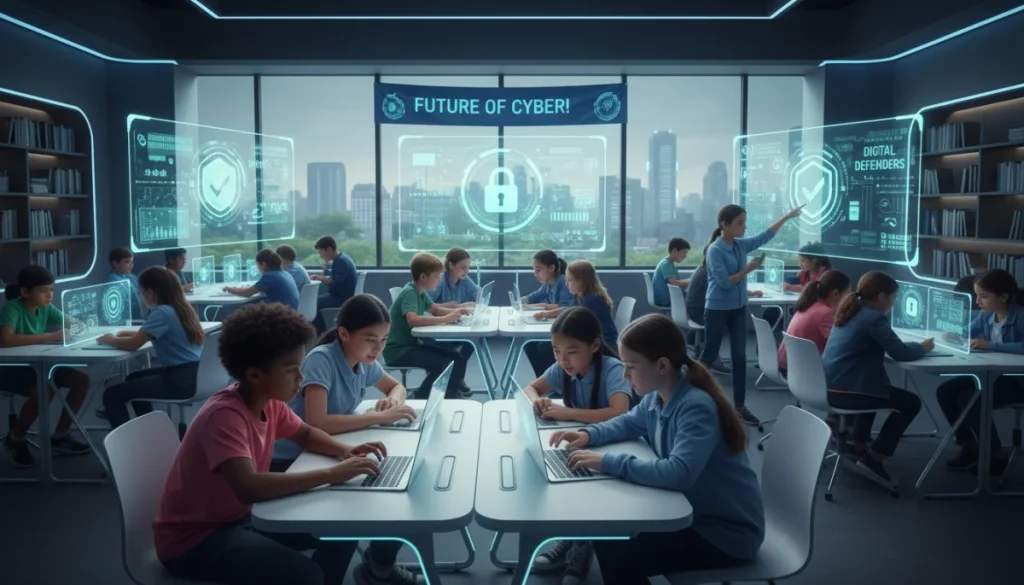
By 2026, K-12 cybersecurity education must equip students with foundational digital safety skills, critical thinking for online threats, and an understanding of ethical digital citizenship to navigate an increasingly complex cyber world effectively.
Anúncios
The digital landscape evolves at an unprecedented pace, making the need for robust K-12 cybersecurity skills more critical than ever. As students increasingly interact with technology, from online learning platforms to social media, understanding digital threats and practicing safe online habits becomes a fundamental life skill. Preparing the next generation for a secure digital future is not just an option but a necessity for their personal safety and national security.
The Urgency of Cybersecurity Education in K-12
The ubiquity of digital technology in daily life presents both immense opportunities and significant risks. For K-12 students, who are often digital natives, these risks can be particularly subtle and pervasive. Without proper education, they are vulnerable to cyberbullying, phishing scams, identity theft, and inappropriate online content. The urgency to integrate cybersecurity education into early schooling stems from the need to protect these young minds and empower them to become responsible digital citizens.
Beyond personal safety, a strong foundation in cybersecurity is becoming increasingly vital for future workforce development. The demand for cybersecurity professionals continues to outpace the supply, creating a significant skills gap. By introducing these concepts early, schools can not only mitigate immediate risks but also inspire a new generation to pursue careers in this critical field, addressing a national need.
The Evolving Threat Landscape
- Sophisticated Phishing Attacks: Modern phishing attempts are often highly personalized and difficult to distinguish from legitimate communications, targeting even tech-savvy individuals.
- Ransomware and Malware: These threats can compromise personal data and system integrity, affecting individuals and institutions alike.
- Data Privacy Concerns: Students need to understand how their personal data is collected, used, and protected, especially on social media and online platforms.
- Cyberbullying and Online Harassment: The emotional and psychological impact of these issues necessitates education on digital empathy and reporting mechanisms.
The current educational framework often falls short in addressing these dynamic threats. Traditional computer literacy courses, while valuable, rarely delve into the practical, ethical, and protective aspects of cybersecurity. Therefore, a specialized and integrated approach is essential to prepare students for the realities of the digital world they inhabit.
Foundational Cybersecurity Skills for Young Learners
For K-12 students, cybersecurity education shouldn’t be about complex algorithms or network architecture, but rather about foundational skills that promote safe and responsible digital behavior. These skills are akin to learning road safety; they are essential for navigating a potentially dangerous environment. The focus should be on practical, age-appropriate knowledge that can be applied immediately.
Starting with basic concepts like strong password creation and understanding privacy settings, educators can gradually introduce more complex topics. The goal is to build a cumulative understanding, ensuring that each concept reinforces previous learning and prepares students for future challenges. This progressive approach ensures that cybersecurity education is not overwhelming but rather a natural extension of their digital experience.
Anúncios
Core Competencies for K-12
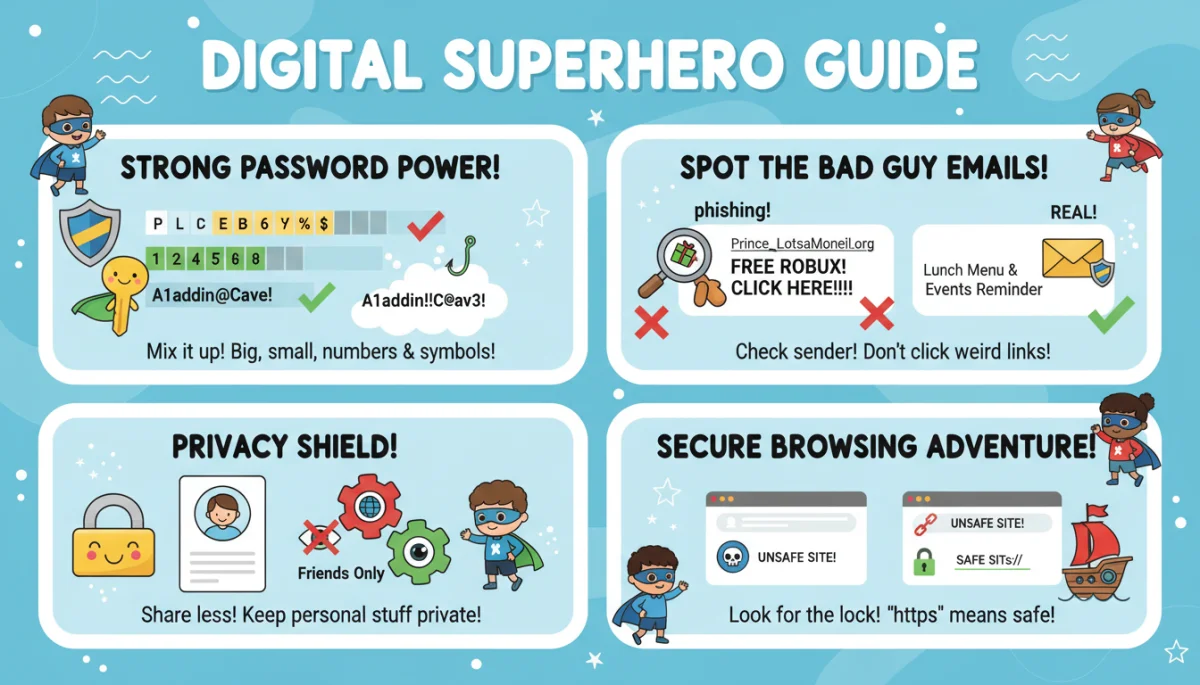
- Password Management: Teaching students to create strong, unique passwords and the importance of multi-factor authentication.
- Identifying Phishing and Scams: Recognizing suspicious emails, links, and messages.
- Privacy Awareness: Understanding what personal information is, why it’s valuable, and how to control its sharing online.
- Digital Footprint Management: Realizing that online actions have lasting consequences and managing their digital identity responsibly.
- Safe Browsing Habits: Using secure websites, understanding browser warnings, and avoiding risky downloads.
These foundational skills empower students to make informed decisions online, reducing their susceptibility to common cyber threats. They also foster a sense of responsibility and critical thinking, which are invaluable assets in any digital interaction. By mastering these basics, students can build a solid defense against many of the prevalent online dangers.
Integrating Cybersecurity into the K-12 Curriculum
Effective cybersecurity education cannot exist in isolation; it must be seamlessly integrated into existing K-12 curricula. This integration ensures that cybersecurity concepts are not seen as an add-on but as an inherent part of digital literacy across various subjects. It moves beyond a standalone computer science class to permeate subjects like social studies, English, and even art.
For example, in social studies, discussions around digital citizenship can include the ethical implications of data privacy and the impact of cybercrime on society. English classes can analyze online news sources for credibility and discuss the dangers of misinformation. This interdisciplinary approach makes cybersecurity relevant and engaging, demonstrating its broad applicability.
Strategies for Curriculum Integration
- Cross-Curricular Projects: Developing projects that require students to apply cybersecurity principles in different subject areas, such as creating a secure online presentation for a history project.
- Teacher Training: Equipping educators across all disciplines with the knowledge and resources to incorporate cybersecurity concepts into their lessons.
- Age-Appropriate Modules: Creating modular lessons that can be easily inserted into existing units, tailored to the developmental stage of students.
- Guest Speakers and Workshops: Inviting cybersecurity professionals to share real-world insights and conduct interactive workshops.
By embedding cybersecurity education throughout the curriculum, schools can ensure that students receive consistent exposure and reinforcement of these critical skills. This holistic approach helps students understand that cybersecurity is not just a technical topic but a pervasive aspect of their digital lives, requiring continuous awareness and adaptation.
The Role of Educators and Parents in Fostering Digital Safety
The responsibility of fostering digital safety extends beyond the classroom walls. Both educators and parents play crucial roles in creating a secure online environment and instilling good digital habits in K-12 students. Collaboration between school and home is essential to provide a consistent message and reinforce learning.
Educators are on the front lines, introducing formal concepts and guiding students through practical exercises. They serve as mentors, helping students understand the technical aspects and ethical dilemmas of the digital world. Parents, on the other hand, provide the home environment where much of the digital interaction occurs. Their involvement is critical for monitoring online activities, setting boundaries, and discussing potential risks with their children.
Empowering the Support System
- Parental Workshops: Offering sessions for parents on common online threats, parental control tools, and how to talk to their children about internet safety.
- Teacher Professional Development: Providing ongoing training for teachers on the latest cybersecurity trends and pedagogical approaches.
- Resource Sharing: Creating a centralized repository of trusted resources, tools, and guidelines for both educators and parents.
- Open Communication: Establishing clear channels for communication between schools and families regarding digital safety concerns and best practices.
When educators and parents work in concert, they create a comprehensive support system that surrounds students with guidance and protection. This partnership ensures that students receive consistent messaging about digital safety, both in structured learning environments and in their everyday lives, fostering a robust understanding and application of cybersecurity principles.

Future-Proofing Students: Beyond Basic Digital Literacy
While foundational digital literacy is crucial, cybersecurity education for K-12 students in 2026 must go beyond the basics to truly future-proof them. The rapidly evolving nature of cyber threats means that students need not only current knowledge but also the adaptive skills to face unknown future challenges. This involves cultivating critical thinking, problem-solving, and a continuous learning mindset.
Future-proofing also entails exposing students to the broader implications of cybersecurity, including its role in national security, economic stability, and individual rights. Understanding these larger contexts helps students appreciate the significance of their digital actions and the potential impact they can have. It encourages them to think beyond personal safety to consider their role as responsible global digital citizens.
Key Aspects of Future-Proofing
- Critical Thinking for Online Information: Evaluating the credibility of sources, detecting fake news, and understanding propaganda techniques.
- Ethical Hacking and White-Hat Practices: Introducing concepts of ethical hacking to understand vulnerabilities and protective measures, within a controlled and educational environment.
- Introduction to Emerging Technologies: Discussing the cybersecurity implications of AI, IoT, and blockchain as these technologies become more prevalent.
- Problem-Solving and Resilience: Developing the ability to respond effectively to cyber incidents and learn from mistakes, fostering digital resilience.
By adopting a forward-looking approach, K-12 cybersecurity education can equip students with the cognitive tools and adaptability necessary to navigate an unpredictable digital future. It moves beyond rote memorization of rules to foster a deep understanding of cybersecurity principles and their dynamic application.
Career Pathways and Inspiring the Next Generation of Cyber Professionals
One of the significant benefits of early cybersecurity education is its potential to inspire students towards careers in this high-demand field. By exposing K-12 students to the excitement and importance of cybersecurity, schools can ignite a passion that could lead to fulfilling and impactful professional journeys. This is crucial for addressing the persistent cybersecurity workforce shortage.
Introducing students to various roles within cybersecurity, from ethical hackers and security analysts to digital forensics experts and cryptographers, can broaden their horizons and challenge stereotypes. It demonstrates that cybersecurity is a diverse field with opportunities for different skill sets and interests, encouraging a wider range of students to consider these paths.
Engaging Students with Career Opportunities
- Cybersecurity Clubs and Competitions: Organizing extracurricular activities that allow students to apply their skills in a fun and competitive environment, such as CyberPatriot.
- Mentorship Programs: Connecting students with cybersecurity professionals who can share their experiences and offer guidance.
- Internship and Shadowing Opportunities: Providing glimpses into real-world cybersecurity roles, even at an introductory level.
- Curriculum Pathways: Developing clear academic pathways that guide students from K-12 cybersecurity basics to advanced studies and certifications.
By actively promoting cybersecurity as a viable and exciting career option, schools can play a pivotal role in shaping the future workforce. This not only benefits the students by opening up promising career avenues but also contributes to national security and economic stability by filling critical skill gaps in the cybersecurity sector.
Challenges and Opportunities in K-12 Cybersecurity Education
Implementing comprehensive cybersecurity education in K-12 schools is not without its challenges, yet these challenges also present significant opportunities for innovation and growth. Addressing these hurdles effectively will determine the success of future cybersecurity initiatives.
One primary challenge is the rapid evolution of technology and threats, which requires curricula and educators to constantly update their knowledge. Another is securing adequate funding and resources for training, technology, and specialized staff. However, these challenges also open doors for creative solutions, such as leveraging community partnerships and developing flexible, adaptive learning models.
Navigating the Landscape
- Teacher Training and Retention: Ensuring educators are adequately trained and supported to teach complex cybersecurity topics effectively.
- Resource Allocation: Securing funding for necessary software, hardware, and curriculum development.
- Curriculum Standardization: Developing consistent standards for cybersecurity education across states and districts.
- Equity and Access: Ensuring all students, regardless of socioeconomic background or school resources, have access to quality cybersecurity education.
Overcoming these challenges requires a concerted effort from policymakers, educational institutions, industry partners, and communities. The opportunities lie in creating a resilient, innovative, and equitable educational system that prepares every K-12 student for the digital future. By embracing these opportunities, the U.S. can solidify its position as a leader in digital safety and innovation.
| Key Aspect | Brief Description | |
|---|---|---|
| Foundational Skills | Teaching K-12 students essential online safety, password management, and privacy awareness. | |
| Curriculum Integration | Embedding cybersecurity concepts across various subjects for holistic learning. | |
| Role of Stakeholders | Emphasizing collaboration between educators, parents, and community for digital safety. | |
| Career Pathways | Inspiring students towards cybersecurity careers and addressing workforce shortages. |
Frequently Asked Questions about K-12 Cybersecurity Education
Cybersecurity education is crucial for K-12 students to protect them from online threats like cyberbullying and identity theft. It also equips them with essential digital literacy for navigating the modern world and prepares them for potential careers in a rapidly growing field.
Students should learn to create strong passwords, identify phishing attempts, understand privacy settings, manage their digital footprint, and practice safe browsing habits. These foundational skills empower them to make informed and secure choices online.
Schools can integrate cybersecurity through cross-curricular projects, teacher training, age-appropriate modules in existing subjects, and guest speakers. This ensures that cybersecurity is not an isolated topic but a pervasive element of digital literacy.
Parents are vital in reinforcing digital safety at home, monitoring online activities, setting screen time boundaries, and discussing online risks with their children. Collaboration between parents and schools creates a consistent and supportive learning environment.
Early exposure to cybersecurity can inspire students to pursue careers in the field by showcasing its importance and diverse opportunities. Clubs, competitions, and mentorship programs can further engage students and guide them toward advanced studies and professional roles.
Conclusion
As we look towards 2026, the imperative for comprehensive Cybersecurity Education: Essential Skills for K-12 Students has never been clearer. Equipping young learners with the foundational knowledge, critical thinking, and adaptive skills necessary to navigate the digital world safely and responsibly is paramount. This goes beyond mere technical instruction; it encompasses fostering digital citizenship, understanding ethical implications, and inspiring the next generation of cybersecurity professionals. By integrating these vital skills across the curriculum, empowering educators and parents, and continuously adapting to the evolving threat landscape, we can ensure that K-12 students are not just consumers of technology, but informed, secure, and resilient participants in our increasingly interconnected society, ready to face the challenges and opportunities of the future.
