Food Insecurity in the US: 1 in 8 Households by 2026
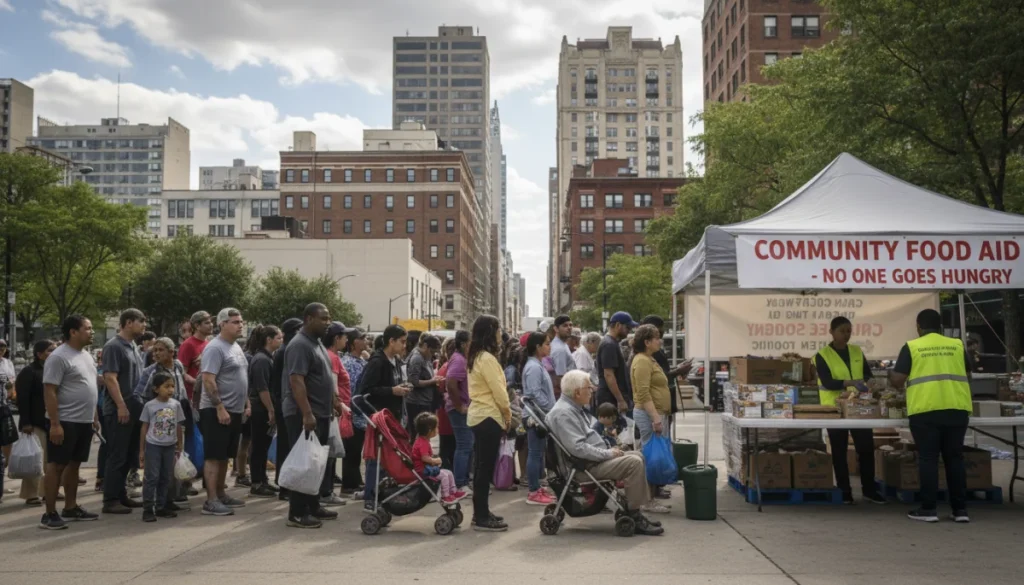
Anúncios
By 2026, food insecurity in the US is projected to burden 1 in 8 households, revealing a significant societal challenge impacting health, education, and economic stability nationwide.
Recent updates on US food insecurity paint a concerning picture for the nation’s future, projecting a societal burden on 1 in 8 households by 2026. This isn’t just a statistic; it represents millions of families facing daily struggles to put food on the table. How will this challenge reshape American communities and what can be done to mitigate its growing impact?
Anúncios
Understanding the Scope of Food Insecurity in the US
Food insecurity is a complex issue, defined as the disruption of food intake or eating patterns because of lack of money and other resources. It extends beyond hunger, encompassing inconsistent access to enough food for an active, healthy life. The latest projections for 2026 suggest a significant portion of American households will grapple with this challenge.
This isn’t a new phenomenon, but its persistent growth points to systemic issues that require urgent attention. Understanding the nuances of food insecurity is the first step toward effective intervention and policy development. It affects different demographics and regions in unique ways, yet its core impact remains universal: a compromised quality of life.
Defining Food Insecurity Levels
The USDA categorizes food insecurity into different levels, providing a clearer understanding of its severity. These classifications help policymakers and aid organizations tailor their responses.
- High Food Security: Households had no problems, or anxiety about, consistently accessing adequate food.
- Marginal Food Security: Households had problems at times, or anxiety about, accessing adequate food, but the quality, variety, and quantity of their food intake were not substantially reduced.
- Low Food Security: Households reduced the quality, variety, and desirability of their diets, but the quantity of food intake and normal eating patterns were not substantially disrupted.
- Very Low Food Security: At times during the year, eating patterns of one or more household members were disrupted, and food intake was reduced because the household lacked money or other resources for food.
These distinctions are crucial for accurately measuring the problem and targeting resources where they are most needed. The projection of 1 in 8 households facing food insecurity by 2026 largely falls within the low to very low food security categories, indicating a significant and tangible impact on daily life.
The scope of food insecurity in the US is broad, touching urban, suburban, and rural areas alike. While certain areas and populations are disproportionately affected, the overall trend indicates a worsening national problem. Addressing this requires a multifaceted approach that considers economic, social, and environmental factors.
Anúncios
Key Drivers Behind Rising Food Insecurity Projections
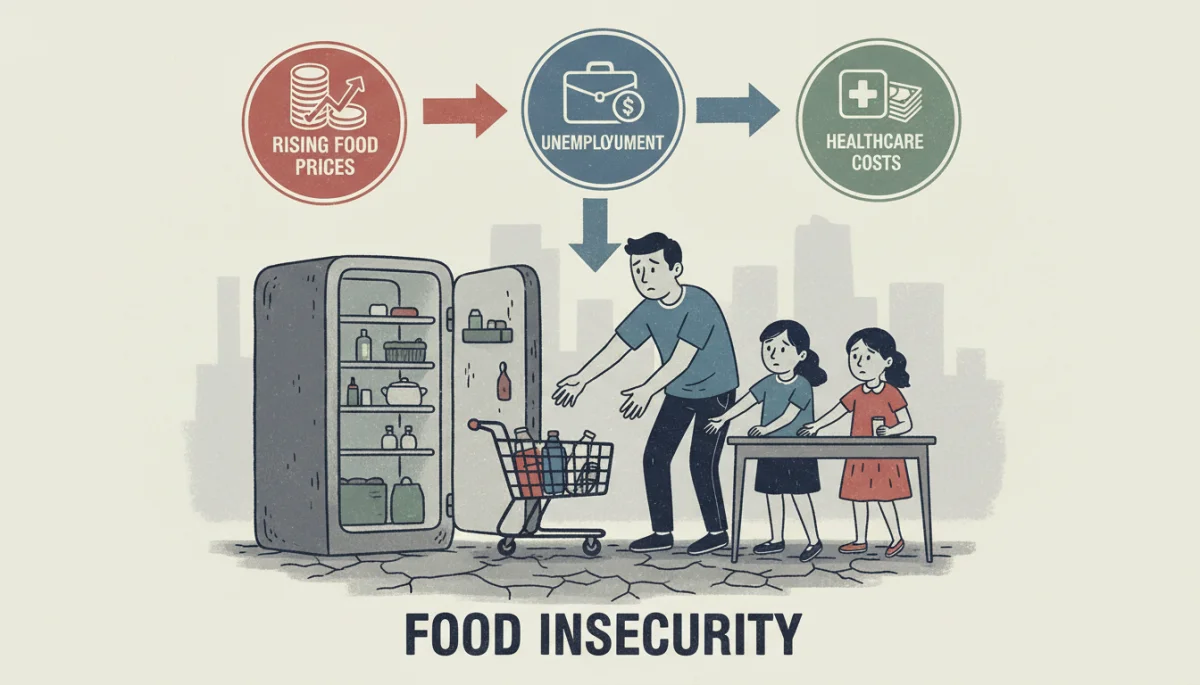
Several interconnected factors contribute to the escalating rates of food insecurity in the US. Economic instability, inflation, and stagnant wages play significant roles, making it increasingly difficult for families to afford basic necessities. These economic pressures are often exacerbated by other societal challenges.
The cost of living continues to climb, particularly for essentials like housing, healthcare, and food. When household budgets are stretched thin, food often becomes the first area where compromises are made. This leads to families skipping meals or opting for cheaper, less nutritious options, which has long-term health consequences.
Economic Factors and Inflation
Inflation has been a major concern in recent years, directly impacting the purchasing power of American households. The rising cost of groceries, in particular, has put immense pressure on low-income families.
- Rising Food Prices: The cost of staple foods has increased significantly, outstripping wage growth for many.
- Stagnant Wages: For a considerable portion of the workforce, wages have not kept pace with inflation, leading to a real-term decrease in income.
- Job Insecurity: While unemployment rates fluctuate, job insecurity and underemployment remain issues for many, making consistent income difficult to achieve.
Beyond inflation, other economic dynamics, such as the increasing precarity of gig economy jobs and the decline of traditional manufacturing, contribute to income instability. These shifts make it harder for households to build financial resilience, leaving them vulnerable to unexpected expenses or economic downturns.
The interplay of these economic forces creates a challenging environment where even employed individuals can struggle with food insecurity. It underscores the need for policies that address both the immediate symptoms and the underlying causes of economic hardship.
The Societal Burden: Health, Education, and Economic Impacts
The burden of food insecurity extends far beyond the immediate experience of hunger; it creates a cascade of negative societal impacts. These effects are felt across various sectors, from public health and education to the overall economy, perpetuating cycles of disadvantage.
Children in food-insecure households often suffer from developmental delays, poorer academic performance, and increased behavioral issues. Adults experience higher rates of chronic diseases and mental health challenges. These outcomes place a significant strain on healthcare systems and reduce overall productivity.
Impact on Health Outcomes
Access to nutritious food is fundamental for good health, and its absence has profound consequences. Food-insecure individuals are more likely to face a range of health problems.
- Chronic Diseases: Higher prevalence of diabetes, heart disease, and hypertension due to diets lacking in fresh produce and lean proteins.
- Mental Health Issues: Increased rates of depression, anxiety, and stress, often linked to the constant worry about food access.
- Child Development: Malnutrition in early childhood can lead to impaired cognitive development and weaker immune systems.
The long-term health consequences not only diminish individual well-being but also lead to higher healthcare costs for society. Preventative care is often neglected in favor of addressing acute health crises, creating a reactive and expensive healthcare model.
Furthermore, the stress associated with food insecurity can exacerbate existing health conditions and create new ones, trapping individuals in a cycle of poor health and financial strain. Addressing food insecurity is therefore a critical public health imperative.
Government Programs and Policy Responses to Food Insecurity
In response to the pervasive challenge of food insecurity, various government programs and policy initiatives have been implemented at both federal and state levels. These programs aim to provide a safety net for vulnerable populations and ensure access to adequate nutrition.
While these programs play a crucial role in mitigating the effects of food insecurity, their effectiveness is often debated, and their reach can be limited. Continuous evaluation and adaptation are necessary to meet the evolving needs of the population.
Key Federal Programs
Several cornerstone federal programs are designed to combat food insecurity across the US.
- Supplemental Nutrition Assistance Program (SNAP): Provides food benefits to low-income individuals and families.
- Special Supplemental Nutrition Program for Women, Infants, and Children (WIC): Offers food, nutrition education, and healthcare referrals for pregnant women, new mothers, and young children.
- National School Lunch Program (NSLP) and School Breakfast Program (SBP): Ensure children have access to nutritious meals during the school day.
- Emergency Food Assistance Program (TEFAP): Supplements the diets of low-income Americans by providing emergency food assistance through food banks.
These programs collectively form a vital part of the nation’s strategy to address hunger. However, eligibility requirements, funding limitations, and administrative hurdles can prevent some of the most vulnerable individuals from accessing these benefits. Advocacy groups often highlight the need for expanded access and simplified application processes.
Beyond direct food assistance, policies related to minimum wage, affordable housing, and healthcare access also indirectly impact food security. A holistic policy approach is essential for creating lasting change and reducing the societal burden of food insecurity.
Community-Led Initiatives and Non-Profit Efforts
Alongside government programs, a vast network of community-led initiatives and non-profit organizations plays a vital role in the fight against food insecurity. These groups often operate at the local level, providing immediate relief and tailored support to their communities.
Their flexibility and deep understanding of local needs allow them to implement innovative solutions, from community gardens and food recovery programs to mobile pantries and educational workshops. These efforts are critical in reaching individuals who might fall through the cracks of larger government systems.
Innovative Local Solutions
Many communities are developing creative approaches to address food access challenges.
- Food Banks and Pantries: Traditional and expanded networks that distribute donated and purchased food.
- Community Gardens: Empowering residents to grow their own food, fostering self-sufficiency and access to fresh produce.
- Food Recovery Programs: Rescuing edible food from restaurants, grocery stores, and farms that would otherwise go to waste and redistributing it to those in need.
- Mobile Food Markets: Bringing fresh, affordable produce directly to underserved neighborhoods, increasing accessibility.
These grassroots efforts often rely heavily on volunteer power and local fundraising, demonstrating the strong community spirit dedicated to solving this problem. Collaboration between non-profits, local businesses, and government agencies can amplify their impact, creating more sustainable food systems.
The success of these initiatives often hinges on their ability to adapt to specific community contexts and build trust with the populations they serve. Their work is indispensable in supplementing broader efforts and addressing the unique challenges faced by different neighborhoods.
Future Outlook and Recommendations for Mitigating the Crisis
Looking ahead to 2026 and beyond, the trajectory of US food insecurity depends heavily on proactive measures and sustained commitment from all sectors. Without significant interventions, the projected burden on 1 in 8 households will likely continue to grow, deepening societal inequalities.
Mitigating this crisis requires a comprehensive strategy that addresses both the immediate symptoms and the root causes of food insecurity. This includes strengthening social safety nets, promoting economic equity, and fostering resilient local food systems.
Strategic Recommendations
To effectively combat the rising tide of food insecurity, a multi-pronged approach is necessary.
- Strengthen and Expand Social Safety Nets: Increase funding and streamline access to programs like SNAP and WIC, ensuring they meet the real needs of families.
- Promote Living Wages and Economic Opportunity: Advocate for policies that ensure all workers earn a wage sufficient to cover basic living expenses, including nutritious food.
- Invest in Local Food Systems: Support community gardens, farmers’ markets, and local food production to increase access to fresh, healthy, and affordable food.
- Address Housing and Healthcare Costs: Recognize that high costs in these areas directly impact a household’s ability to afford food, requiring integrated policy solutions.
- Enhance Nutrition Education: Provide resources and education to help families make informed dietary choices and manage limited food budgets effectively.
Implementing these recommendations will require political will, cross-sector collaboration, and sustained public awareness. The goal is not just to feed people, but to empower communities to build sustainable food security for themselves. This long-term vision is crucial for creating a more equitable and healthy future for all Americans.
The future outlook for US food insecurity is challenging but not without hope. By combining robust policy changes with dedicated community efforts, it is possible to reverse the current trends and ensure that fewer households face the burden of not knowing where their next meal will come from.
| Key Point | Brief Description |
|---|---|
| 2026 Projection | 1 in 8 US households expected to face food insecurity. |
| Key Drivers | Economic instability, inflation, and stagnant wages are primary contributors. |
| Societal Impact | Affects health outcomes, educational attainment, and economic productivity. |
| Mitigation Strategies | Government programs, community initiatives, and policy reforms are crucial. |
Frequently Asked Questions About US Food Insecurity
Food insecurity refers to the lack of consistent access to enough food for every person in a household to live an active, healthy life. It encompasses both the quantity and quality of food available, often stemming from financial constraints rather than a total absence of food.
Food insecurity disproportionately affects low-income households, single-parent families, racial and ethnic minority groups, and rural populations. Children and the elderly are particularly vulnerable, experiencing significant health and developmental consequences from inadequate nutrition.
Inflation, particularly rising food prices, significantly reduces the purchasing power of household incomes. When the cost of groceries increases faster than wages, families with limited budgets find it harder to afford nutritious food, leading to increased food insecurity.
Government programs like SNAP, WIC, and school meal initiatives provide essential nutritional support to millions of Americans. They act as a critical safety net, helping to prevent hunger and improve health outcomes for vulnerable populations, though their reach can be limited.
Individuals can contribute by volunteering at local food banks, donating to reputable hunger relief organizations, advocating for policies that support food security, and participating in community gardens. Supporting local initiatives helps create more resilient and equitable food systems.
Conclusion
The projected rise of food insecurity, impacting 1 in 8 US households by 2026, presents a profound challenge that demands urgent and coordinated action. This isn’t merely an economic issue but a complex societal problem with far-reaching consequences for public health, educational attainment, and overall community well-being. Addressing this crisis requires a multifaceted approach, combining robust government policies, innovative community-led initiatives, and a collective commitment to creating equitable and sustainable food systems. By understanding the drivers, acknowledging the impacts, and investing in comprehensive solutions, the nation can work towards a future where every household has consistent access to nutritious food, fostering a healthier and more resilient society.
